
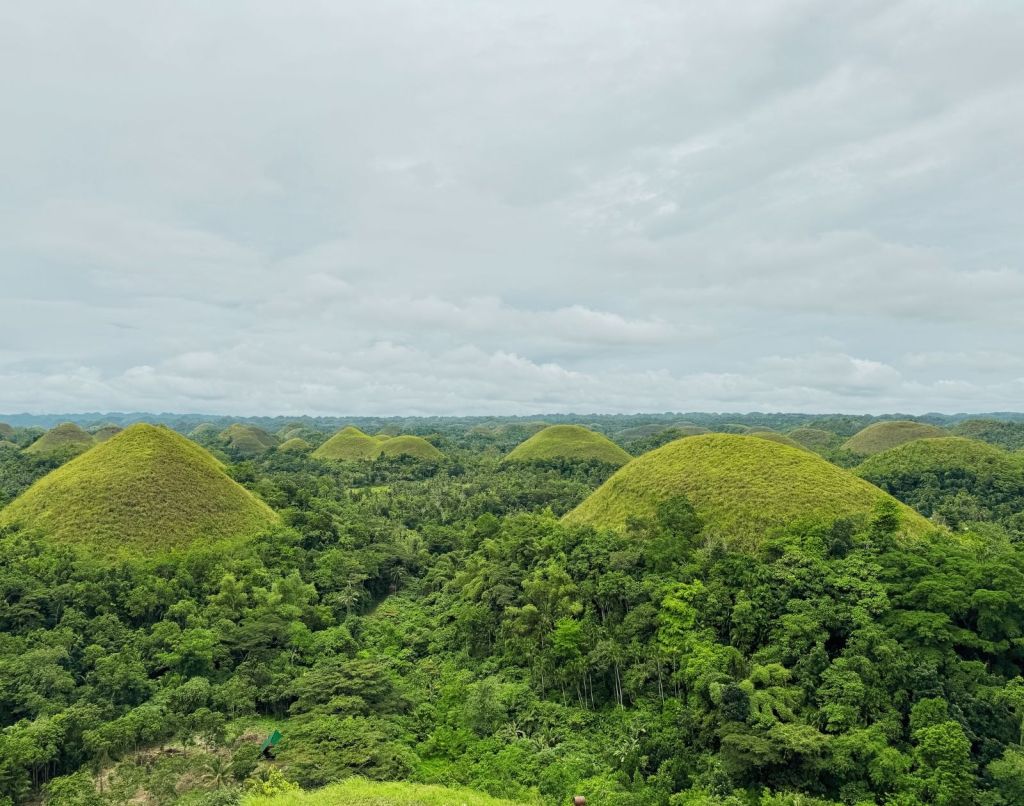
If I were to award one place as the mecca of freediving in the Philippines, I would give it to Bohol. This island province in Central Visayas is one of the country’s top ecotourism destinations, and it is also recognized as the Philippines’ first UNESCO Global Geopark. But beyond the Chocolate Hills, river cruises, white-sand beaches, and countryside tours, Bohol has something that keeps calling ocean lovers back: its rich and unforgettable underwater world.
Personally, Bohol sits high on my list of freediving destinations in the Philippines because it gives you the full experience. You can start your morning chasing calm blue water, freedive beside sea turtles, pass over colorful reefs, practice depth at famous dive spots, and end the day eating good food in Panglao or watching the beach come alive at night. It feels like a destination made for both adventure and slow travel.
When I first visited Bohol, I did not know how to freedive yet. I was just a traveler amazed by the island’s landscapes, from the Chocolate Hills to the reef life of Balicasag Island. During my first snorkeling experience in Balicasag, I saw sea turtles, colorful fish, and healthy corals, and I remember thinking, “I need to come back here.” When I returned as a freediver, I realized that what I saw the first time was only the beginning. Bohol has so much more to offer once you are comfortable in the water.
This Bohol freediving travel guide is written for beginners, fun divers, and travelers who want to experience Bohol beyond the usual land tour. I will walk you through how to get there, where to stay, when to visit, where to freedive, how much to budget, what to expect, and what else to do when you are not in the water.
Why Bohol Is One of the Best Freediving Destinations in the Philippines
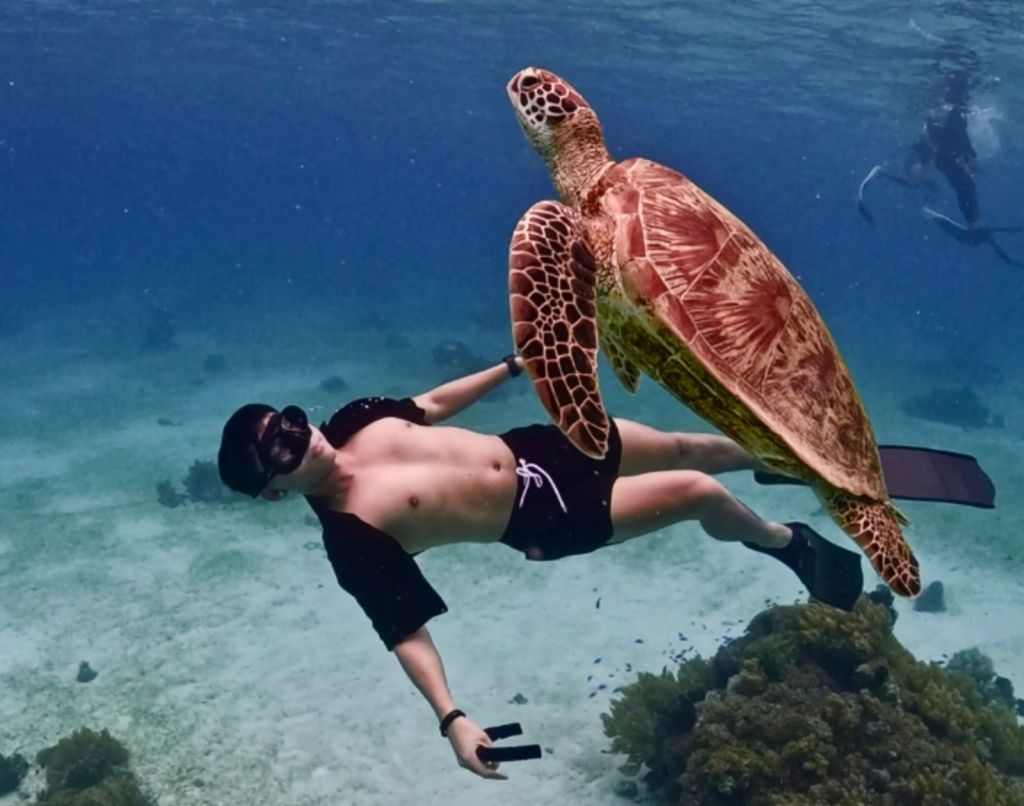
Bohol is one of the best places to freedive in the Philippines because it offers a mix of accessibility, marine life, depth, and travel convenience. You do not need to go to a remote island with complicated transfers just to experience beautiful reefs and exciting dive spots. In Panglao alone, you can access several popular freediving locations, and nearby Balicasag Island gives you one of the most memorable marine encounters in the country.
For beginner freedivers, Bohol is a great destination because you can enjoy shallow reef areas, turtle encounters, guided fun dives, and calm-water practice depending on the season and weather. For more experienced freedivers, places like Napaling Reef and Arco Point offer deeper and more exciting spots where you can practice technique, control, and confidence.
What makes Bohol special is that it does not feel like a one-dimensional dive destination. You are not just going there to freedive. You are also going there to eat, explore, rest, meet people, visit natural attractions, and experience a different side of the Philippines. That is why I think it works so well as a travel and freediving destination, especially for beginners who want their first major freediving trip to feel complete.
How to Get to Bohol
From Manila
The easiest way to get to Bohol from Manila is by taking a direct flight from Ninoy Aquino International Airport to Bohol-Panglao International Airport. The flight usually takes around 1 hour and 30 minutes, depending on the airline, route, and weather conditions.
Most Manila to Bohol flights depart from NAIA Terminal 3, but always check your airline and ticket details because terminal assignments can change. Once you arrive at Bohol-Panglao International Airport, you can book a Grab car, arrange a hotel transfer, or reserve transportation through travel apps like Klook.
If you are staying around Alona Beach in Panglao, travel time from the airport is usually short and convenient. This is one of the reasons I recommend Panglao for first-time Bohol freediving travelers. You land, transfer to your hotel, settle in, and you are already close to the main tourism and diving areas.
From Cebu
If you are coming from Cebu, you can take a fast craft to Bohol. OceanJet and SuperCat are two of the common ferry options, and most fast craft trips arrive at Tagbilaran Port. From there, you can book a Grab car, take a taxi, ride a tricycle depending on your destination, or arrange a hotel transfer in advance.
This route is useful if you are doing a Cebu and Bohol travel itinerary. For example, you can visit Moalboal, Oslob, or Cebu City first, then continue to Bohol for freediving, beach time, and countryside tours.
Best Time to Visit Bohol for Freediving
Bohol can be visited year-round, but if you are planning a freediving trip, timing matters. Weather affects visibility, boat operations, comfort, and overall safety. Even if the sea looks beautiful in photos, your actual experience will depend on wind, rain, waves, and local conditions on the day of your dive.
First Quarter: Pre-Summer Dive Season
My favorite time to freedive in Bohol is from the last week of January to the second week of March. This is what I like to call the pre-summer dive season.
For me, this period has the best balance. The holiday crowd is gone, many people are back at work, and travelers are usually saving up for summer. Because of that, the island feels more relaxed. You can enjoy Bohol without feeling like you are moving with a huge crowd everywhere you go.
This is also a great time if you want to focus on your freediving skills. Fewer crowds mean less pressure, calmer energy, and more space to enjoy the experience. Of course, weather can still change, but based on my personal preference, this is one of the most enjoyable windows for a Bohol freediving trip.
Second Quarter: Summer Season
April to May is the summer season in the Philippines. This is when travelers usually expect better weather, sunnier days, and clearer water. If you want to visit Bohol during classic beach weather, this is a strong option.
The downside is the crowd. Beaches, hotels, restaurants, tours, and popular dive spots can be busier during this time. If you enjoy a lively atmosphere, meeting people, and being around other travelers, summer might work well for you. But if you are like me and you prefer fewer people, you may want to avoid the peak weeks.
By the last week of May, there is already a higher chance of rain. The first two weeks of June can still have sunny days, but the weather starts becoming less predictable. If you are planning a freediving trip around this period, keep your schedule flexible.
Third Quarter: Rain and Typhoon Season
I would personally skip June to August and the first half of September if your main goal is freediving. This period falls within the rainy and typhoon season in the Philippines, which means a higher chance of canceled flights, rougher seas, poor visibility, and canceled boat trips.
When the weather is bad, boats may not be allowed to operate. Even if your flight pushes through, your dive schedule can still be affected. For freediving, safety always comes first. If the sea condition is not good, do not force the dive just because you already paid for flights or accommodation.
Fourth Quarter: My Second Favorite Dive Season
October to the second week of December is my second favorite time to freedive in Bohol. It is usually less crowded than summer, and the travel energy feels slower and more relaxed. You can still get sunny days, although there may also be occasional rain.
This is a good season if you want a calmer Bohol trip with fewer people around. It is also a nice time to combine freediving with land tours, beach visits, and slow mornings around Panglao.
Just note that the first week of November can be busier because of the All Saints’ Day and All Souls’ Day holiday break in the Philippines. Many Filipinos travel during this period, although it is still not usually as packed as peak summer because many families spend time in their hometowns or visit cemeteries to honor loved ones.
Where to Stay in Bohol for Freediving
Best Area to Stay: Alona Beach, Panglao
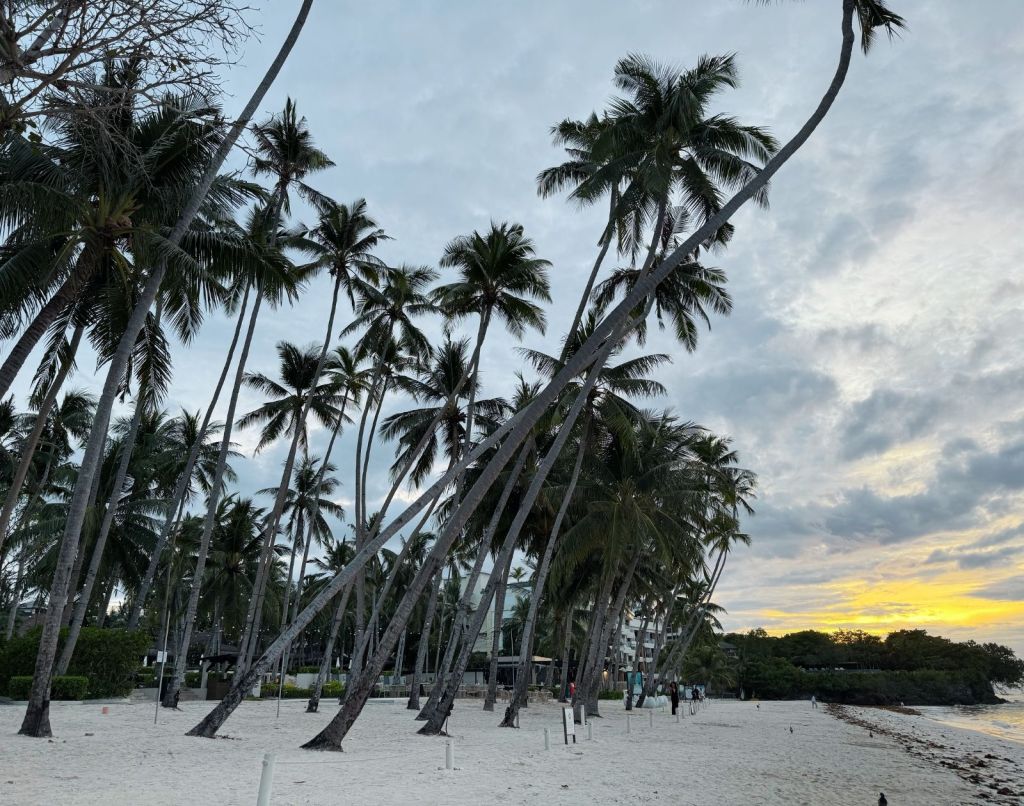
For first-time Bohol freediving travelers, I recommend staying around Alona Beach in Panglao. It is the liveliest area in Panglao, and it gives you easy access to restaurants, bars, cafes, hotels, tour operators, dive shops, and common meeting points for water activities.
Staying near Alona Beach makes everything easier. If your freediving call time is early, you do not want to wake up extra early just to travel from a far location. Most guided tours and dive meetups are easier to reach from Panglao, especially if you are visiting Balicasag Island, Napaling Reef, or nearby dive spots.
Alona is also convenient for non-diving days. You can walk around, eat, get coffee, visit the beach, book tours, or simply rest. It may not be the quietest part of Bohol, but for convenience, it is one of the best places to stay.
Other Areas to Consider
If you want a quieter beach experience, you can consider staying near Dumaluan Beach. It is calmer and more relaxed than Alona, although there are fewer restaurants and nightlife options.
If you want a more off-the-beaten-path Bohol trip, Anda is also worth considering. However, Anda is far from Panglao, so I would not recommend it as your main base if your primary goal is to freedive around Panglao or Balicasag. It is better for travelers who want slow beach days, cave pools, and a more peaceful side of Bohol.
Moving Around Bohol
Rent a Motorcycle
Motorcycle rental in Bohol usually ranges from around PHP 300 to PHP 1,000 per day, depending on the model, rental duration, and provider. This is one of the most flexible ways to move around Panglao, especially if you are traveling solo or as a pair.
Only rent a motorcycle if you are confident driving one and have the proper license. Bohol roads can be manageable in many areas, but you still need to drive carefully, especially at night or during rain.
Rent a Car
Car rental usually starts at around PHP 1,600 per day, depending on the vehicle and rental arrangement. This is a good option if you want to do a DIY land tour, visit farther attractions, or travel with family or friends.
A car is also more comfortable if you plan to visit Chocolate Hills, Loboc River, the Tarsier Conservation Area, Hinagdanan Cave, and other countryside attractions in one day. If you want less stress, you can also rent a car with a driver.
Rent a Tricycle
Hiring a tricycle is convenient for moving around Panglao, especially if you need to transfer between your hotel, restaurants, beach areas, and dive meeting points. This is helpful when you have multiple stops in one day and do not want to drive yourself.
Tricycle Commute
For simple point-to-point travel in Panglao, tricycles are easy to find in tourist areas. Base fares can start around PHP 20 per passenger for short distances, but the actual fare depends on distance, time of day, number of passengers, and local fare rules.
Night rates can be higher, which makes sense. Bohol drivers deserve night differential too. LOL.
As always, confirm the fare before riding, especially at night, from the airport, or if you are going to a less common destination.
Sample 1-Day Bohol Freediving Itinerary
Most guided freediving tours in Bohol start early, sometimes around 6:00 AM, especially if the itinerary includes Balicasag Island. So yes, hold your parties for now and sleep early the night before. You do not want to show up tired, dehydrated, or puyat for a dive.
Some guided tours include light breakfast, snacks, lunch, boat transfers, underwater photos, underwater videos, and local guides. Inclusions vary, so always check before booking.
Here is a sample one-day freediving itinerary you can use as a general guide:
5:30 AM – Wake up and prepare
6:00 AM – Meet your freediving guide or tour group
6:30 AM – Boat departure or transfer to first dive site
7:30 AM – Freedive at Balicasag Island or first scheduled site
10:30 AM – Rest, snacks, or transfer to next site
11:30 AM – Freedive at Napaling Reef or another Panglao dive site
1:00 PM – Lunch and recovery
2:30 PM – Optional third site or relaxed water session
4:00 PM – Return to accommodation
6:00 PM – Dinner around Alona Beach
This itinerary can change depending on weather, sea conditions, local regulations, and your guide’s plan. Do not treat it like a strict schedule. Freediving should never feel rushed. Rest is part of the experience.
Best Freediving Spots in Bohol
Balicasag Island

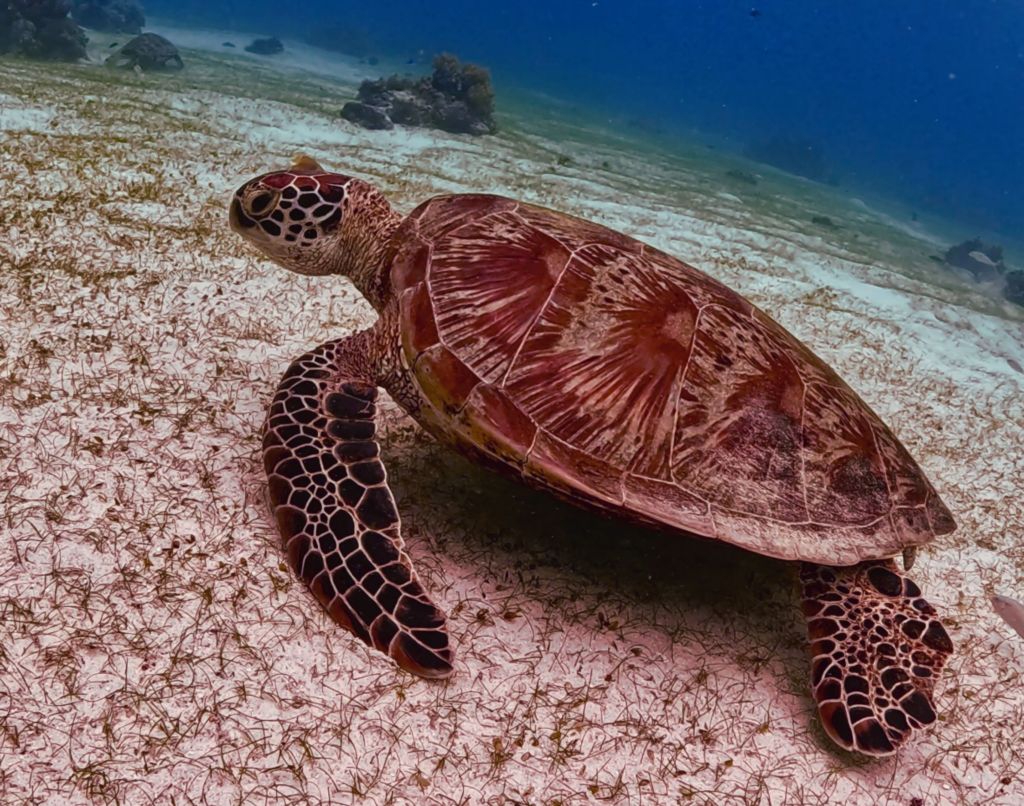
Balicasag Island is one of the most famous marine destinations in Bohol, and for good reason. It is known for sea turtles, colorful reef fish, jackfish, barracuda, coral gardens, and clear blue water when conditions are good.
For many beginners, Balicasag is the dream Bohol freediving experience. You do not need to be a deep diver to enjoy it. Sometimes, simply floating calmly and watching turtles move through the water is already enough to make the trip unforgettable.
That said, Balicasag can get busy. There are snorkelers, scuba divers, freedivers, boats, and local guides operating in the area. This is why I highly recommend going with a responsible freediving guide who knows the local flow, safety practices, and marine rules.
Important reminder: never touch sea turtles, corals, or marine life. Do not chase turtles for a video. Let them move naturally. The best encounters happen when you stay calm, respectful, and patient.
Napaling Reef
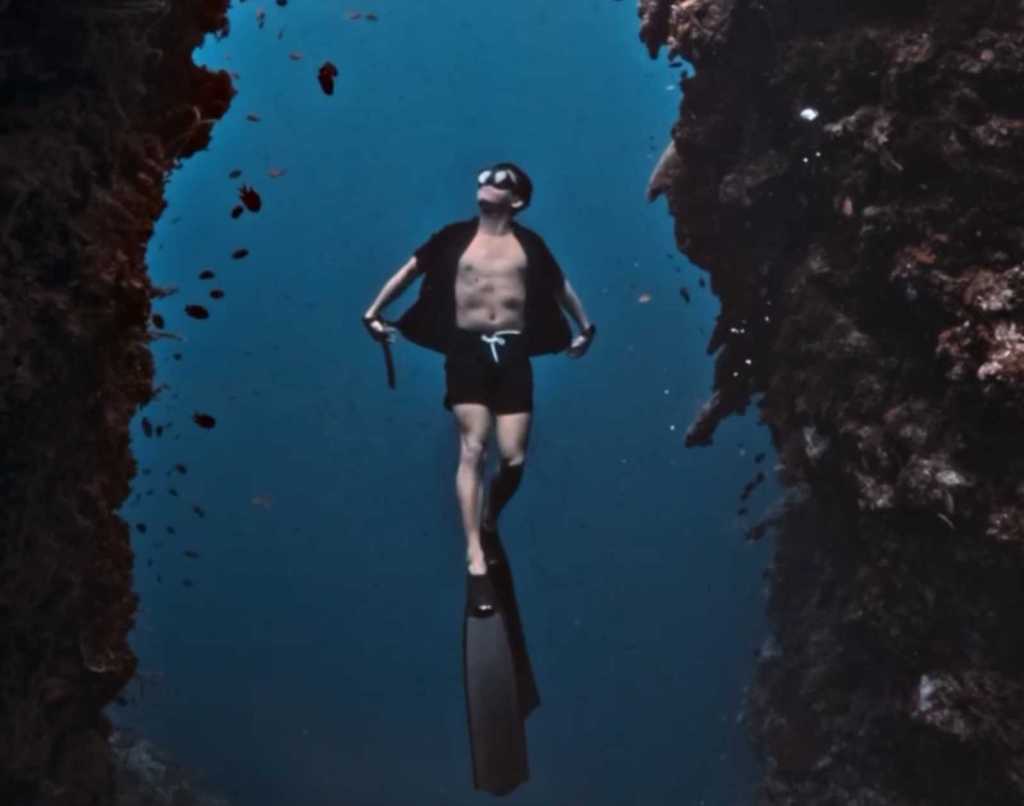
Napaling Reef is one of the most popular freediving spots in Panglao. It is famous for the Napaling crack, a dramatic underwater feature that has become one of the most recognizable freediving photo spots in the Philippines.
If you have seen those “awra” freediving shots where someone dives through or near a crack-like underwater wall, there is a good chance it was taken in Napaling. For many beginner-to-intermediate freedivers, reaching the 8 to 10-meter area of the crack feels like an achievement.
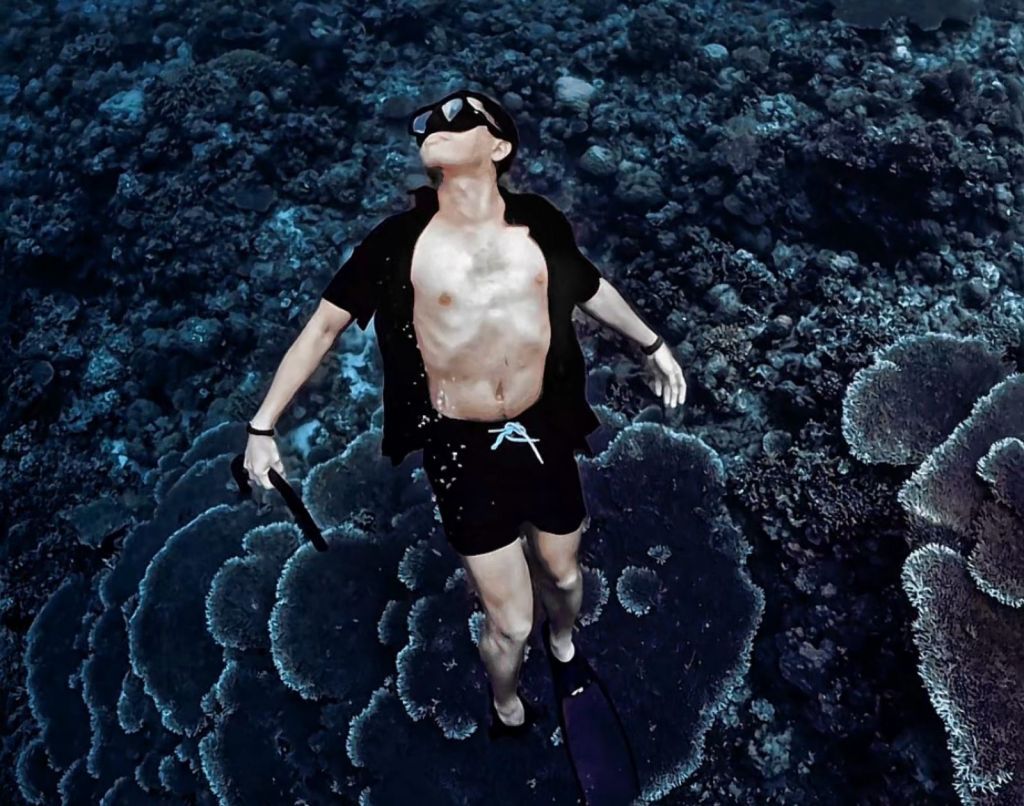
But Napaling is more than just the famous crack. Around 800 meters away, you can also find beautiful table corals. These are stunning to see, but you need to be extra mindful. Do not get too close, do not stand on anything, and never touch the corals. Even a small careless movement can damage marine life that took years to grow.
Napaling can be beginner-friendly when done with proper guidance, but you should still be comfortable in the water. If you are new to freediving, focus first on relaxation, equalization, and safe diving rather than forcing depth for photos.
Arco Point
Arco Point is another exciting dive spot in Bohol, but I would not call it beginner-friendly. This is better for freedivers who are already comfortable going beyond 15 meters and can manage their dives calmly.
The highlight here is an arch-shaped underwater rock structure. Being able to dive around or through the arch can feel like an achievement, especially if you have been working on your depth, confidence, and technique.
It may not be as famous as the Napaling crack, but Arco Point has its own appeal. It feels quieter, more mysterious, and more rewarding for freedivers who are ready for a deeper challenge.
If you are still new, do not rush to include Arco Point in your itinerary. There is no shame in skipping deeper sites until you are ready. In freediving, confidence is built slowly.
Is Bohol Beginner-Friendly for Freediving?
Yes, Bohol can be beginner-friendly, but it depends on where you go, who you dive with, and how comfortable you are in the water.
If you are a total beginner who has never taken an intro freediving course, I recommend taking a proper introduction course first before joining fun dives. You do not need to become an advanced freediver right away, but you should at least understand basic safety, equalization, recovery breathing, buddy system, and how to stay relaxed in the water.
For beginners, Balicasag and some parts of Napaling can be enjoyable with the right guide. You can stay within your comfort zone, enjoy the marine life, and practice slowly. You do not need to chase depth to enjoy Bohol.
If you are still afraid of open water, easily panicked, or not comfortable without a life vest, be honest with your guide. A good guide will adjust the plan and not pressure you into doing something unsafe.
Estimated 1-Day Bohol Freediving Guided Tour Cost
Guided freediving tours in Bohol usually cost around PHP 4,500 to PHP 5,000 per person, depending on the operator, itinerary, group size, inclusions, and whether it is a private or joiner tour.
Some tours may include boat transfers, local guide fees, underwater photos and videos, light breakfast, snacks, lunch, and basic assistance. Others may charge gear rental separately. Always ask what is included before booking.
I highly recommend getting a guided freediving tour, especially if it is your first time in Bohol. You want dive buddies, guides, and underwater photographers who know the location and the water conditions well. Safety first before anything else.
Estimated Boat Rental
Boat rental can cost around PHP 3,000 to PHP 4,000 per boat per dive or trip, depending on the site, route, and arrangement. Sometimes, your full freediving package already includes the boat, so clarify this with your operator.
Estimated Gear Rental
Gear rental is usually not included in some freediving packages, so prepare a separate budget.
Short fins: around PHP 300
Long fins: around PHP 600
Freediving mask: around PHP 150
Rates can change depending on the shop, season, and operator. If you already have your own mask, bring it. A well-fitting mask can make your dive much more comfortable.
What to Bring for a Bohol Freediving Trip
Pack light, but do not forget the essentials. Bohol can be hot, and freediving days can start early and end with long hours under the sun.
Bring your swimwear, rash guard, reef-safe sunscreen, towel, dry bag, water bottle, snacks, cash, and personal medicine. If you have your own mask, snorkel, fins, weights, or dive computer, bring them too.
I also recommend bringing a light jacket or cover-up for the boat ride. Even if the sun is strong, you can still feel cold after staying in the water for a long time.
Most importantly, bring patience. Some of the best freediving moments are not forced. You wait, you breathe, you relax, and then suddenly a turtle appears, the light hits the reef beautifully, or you finally feel comfortable at a depth that used to intimidate you.
Freediving Safety Tips for Bohol
Freediving in Bohol is beautiful, but you still need to respect the ocean. Do not treat it like a casual swimming activity, especially if you are trying depth or diving in unfamiliar sites.
Always dive with a buddy or a trained guide. Never freedive alone. Even if you are only practicing in shallow water, you need someone watching you.
Equalize early and often. Do not wait for ear pain before equalizing. If your ears do not equalize, stop and go back up. Never force it.
Rest properly between dives. Do not keep diving nonstop just because you want more videos. Your body needs recovery.
Stay hydrated and eat enough before your session. You do not want to dive tired, hungry, dehydrated, or dizzy.
Do not touch corals, turtles, fish, or any marine life. Bohol’s underwater world is the reason people travel here. Protect it.
Listen to your guide. If the guide says the current is strong, the visibility is bad, or the spot is not safe for the day, trust them. The ocean will always be there for another attempt.
Other Activities and Places to Visit in Bohol
While you are not freediving, make the most of your visit by exploring Bohol’s top tourist destinations. These are my favorite picks from multiple visits to Bohol, so you can skip the tedious research phase and build a balanced itinerary.
Chocolate Hills
The Chocolate Hills are the icon of Bohol. When people say Bohol, this is usually the first image that comes to mind.
I have been reading about the Chocolate Hills in school textbooks since I was a kid, so seeing them in person felt surreal. It is hard to explain the feeling of standing there and looking at rows of hills stretching into the distance. It really makes you appreciate how unusual and beautiful nature can be.
The hills turn brown during the dry season, which is why they are called the Chocolate Hills. During greener months, they look softer and more lush, but still impressive.
Loboc or Loay River Cruise
If it is your first time in Bohol, I highly recommend trying the Loboc or Loay River Cruise. It is a relaxing cultural and food experience where you cruise along the river while enjoying Filipino food, music, and local performances.
The cruise usually lasts around 45 minutes to 1 hour, depending on the route and operator. It is not an adrenaline-filled activity, but that is the point. It is slow, scenic, and easy to enjoy, especially after a tiring freediving day or countryside tour.
Whether you choose Loboc or Loay, both can give you a memorable Filipino travel experience.
Tarsier Conservation Area
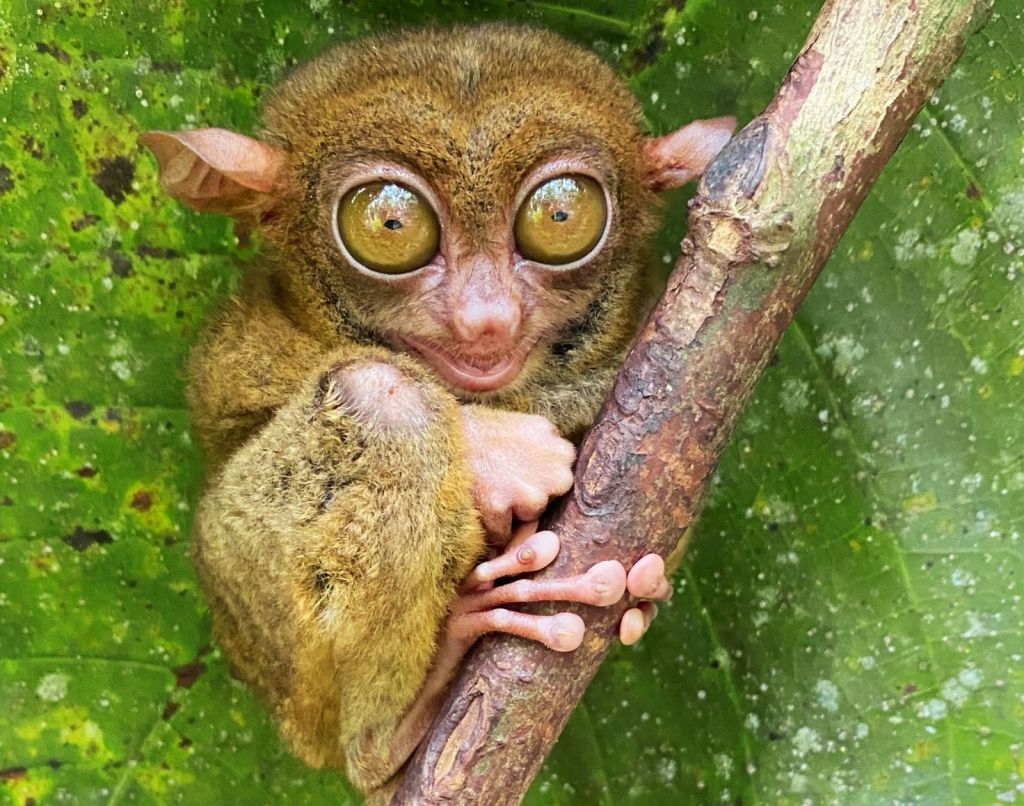
Seeing a tarsier in person is one of the classic Bohol experiences. Tarsiers are tiny primates with huge eyes, and they are one of the most recognizable animals associated with the island.
That said, this activity can be a bit sensitive because tarsiers are delicate animals. They are easily stressed, and they need a quiet environment. If you visit, keep your voice low, do not use flash photography, do not touch them, and follow the rules of the site.
Not everyone may be in favor of seeing tarsiers in a managed nature area, and I understand that. But if you decide to visit, choose a place that prioritizes conservation, proper care, and education. Treat the experience as a chance to learn, not just to take photos.
Estimated entrance fee: around PHP 80 to PHP 150, depending on the site and updated rates.
Hinagdanan Cave
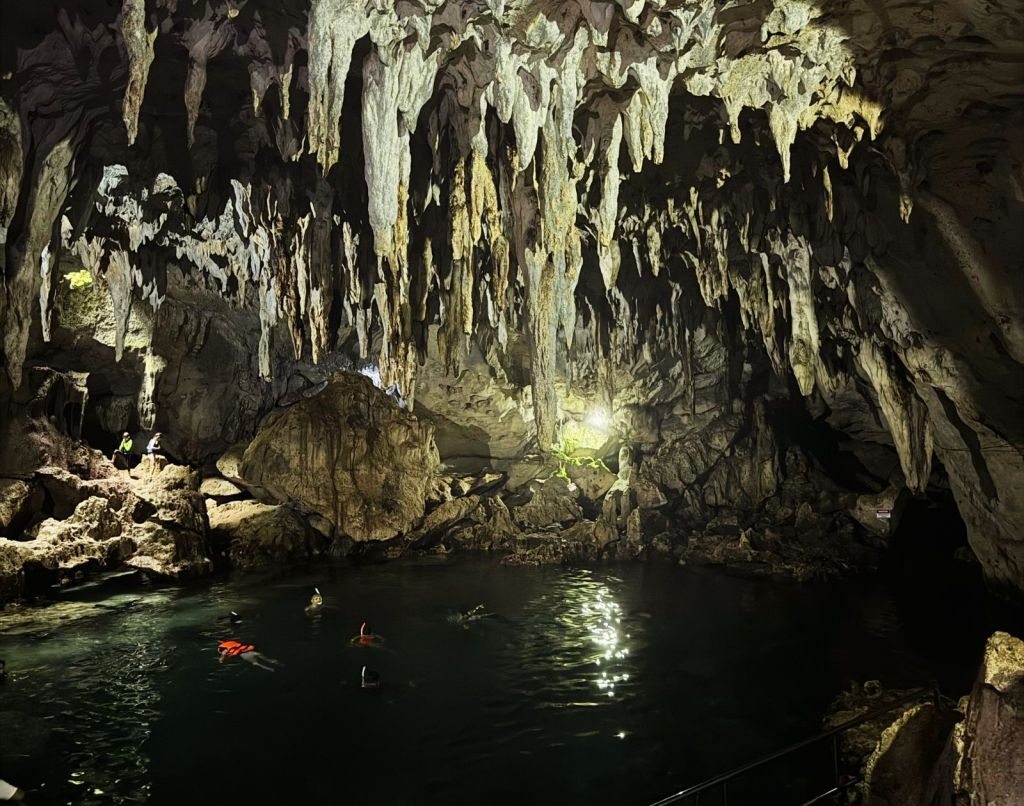
Hinagdanan Cave is a unique cave in Dauis, Panglao with a natural pool inside. Light enters through openings above the cave, giving the water a dramatic blue-green glow at certain times of day.
It is a good quick stop if you are staying in Panglao. You can enter the cave, take photos, and swim if swimming is allowed during your visit. The floor can be slippery, so wear proper footwear and move carefully.
Estimated entrance fee: around PHP 50 to PHP 100, with a possible additional fee if you want to swim.
Alona Beach
Alona Beach is the liveliest part of Panglao. It has a long stretch of beach lined with restaurants, bars, hotels, dive shops, and tour operators.
This is where you go if you want convenience. You can eat, drink, book tours, walk along the beach, and enjoy the nightlife. It is not the quietest beach in Bohol, but it is the easiest place to base yourself if you want everything nearby.
For freedivers, staying around Alona makes sense because many meetups and tour arrangements are easier from this area.
Dumaluan Beach
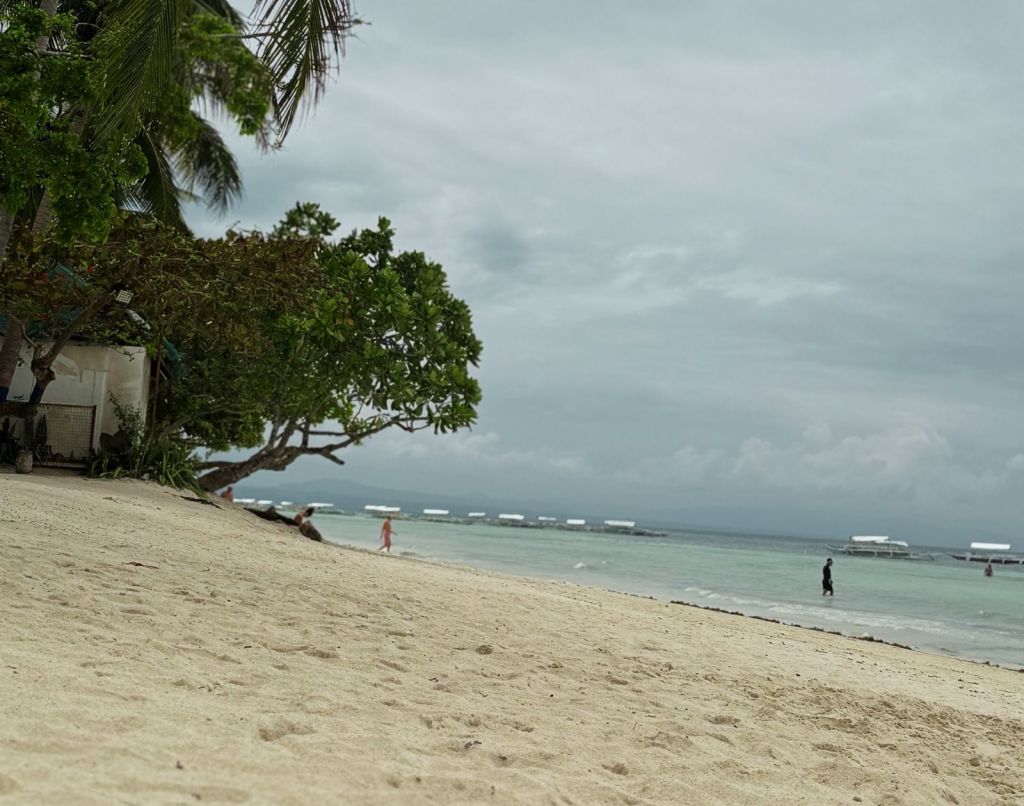
Dumaluan Beach is more relaxed compared to Alona. There is not as much to do, but that is also its charm. If you want a quieter beach day where you can just sit, swim, read, or drink coffee, Dumaluan is a good option.
As far as my last visit is concerned, there were fewer commercial spaces compared to Alona. That makes it better for travelers who want a more peaceful beach atmosphere.
Anda Beach
Anda Beach is one of the developing beach destinations in Bohol. If you are coming from Panglao, travel time can take around 3 to 4 hours, so you need to dedicate a full day or stay overnight if you want to enjoy it properly.
The beach is long, peaceful, and not yet as commercialized as Panglao. That is part of its appeal. There are fewer establishments, fewer crowds, and more space to slow down.
If you visit Anda, make the trip more worthwhile by also checking out Cabagnow Cave Pool. It is one of the well-known natural attractions in the area and a good side trip if you want something different from the usual beach itinerary.
Sample 3-Day Bohol Freediving and Travel Itinerary
Day 1: Arrival and Panglao
Arrive at Bohol-Panglao International Airport, transfer to your hotel near Alona Beach, and settle in. Keep your first day light. Walk around Alona, eat dinner, prepare your gear, and sleep early for your freediving tour the next morning.
If you arrive early, you can visit Hinagdanan Cave or spend the afternoon at Dumaluan Beach.
Day 2: Freediving Day
Start early with your guided freediving tour. Depending on your operator and weather conditions, your itinerary may include Balicasag Island, Napaling Reef, or another Panglao dive site.
Focus on enjoying the water rather than forcing depth. If you are a beginner, treat this as a confidence-building experience. Enjoy the turtles, reefs, blue water, and the feeling of becoming more comfortable in the ocean.
After the dive, rest properly. Have dinner around Alona Beach and avoid overpacking your night. Freediving can be tiring even when it feels peaceful.
Day 3: Countryside Tour
Use your third day for Bohol’s land attractions. Visit the Chocolate Hills, Tarsier Conservation Area, Loboc or Loay River Cruise, and other countryside stops depending on your pace.
This gives your body time to rest after freediving while still making the most of your trip. Bohol is too beautiful to experience only underwater.
Sample 4-Day Bohol Freediving and Travel Itinerary
Day 1: Arrival in Panglao
Arrive in Bohol, check in, explore Alona Beach, and prepare for your first dive day.
Day 2: Balicasag Island Freediving
Spend the day freediving or snorkeling around Balicasag Island with a responsible guide. Enjoy the turtles, reef life, and clear water if conditions are good.
Day 3: Napaling Reef and Panglao Beach Day
Visit Napaling Reef and practice your freediving skills. Afterward, take the rest of the day slow. You can visit Dumaluan Beach, get coffee, or enjoy a relaxed dinner.
Day 4: Countryside Tour or Anda Day Trip
Choose between a classic Bohol countryside tour or a long day trip to Anda. If it is your first time in Bohol, I recommend the countryside tour. If you have already seen the main attractions before, Anda is a nice way to experience a quieter side of the province.
Estimated Bohol Freediving Trip Budget
Your total budget will depend on your travel style, flight price, accommodation, and whether you book a private or joiner tour. Here is a simple estimate for a 3-day, 2-night Bohol freediving trip from Manila.
Roundtrip flight: PHP 3,000 to PHP 8,000
Budget to mid-range accommodation: PHP 1,500 to PHP 4,000 per night
Airport transfers and local transport: PHP 500 to PHP 2,000
Guided freediving tour: PHP 4,500 to PHP 5,000 per person
Gear rental: PHP 150 to PHP 600 per item
Food and drinks: PHP 1,500 to PHP 3,000
Land tour or extra activities: PHP 1,500 to PHP 4,000
Estimated total: PHP 12,000 to PHP 25,000 or more, depending on your choices.
You can make the trip cheaper by booking flights early, traveling during the low season, sharing accommodation, joining group tours, and bringing your own freediving gear.
Responsible Travel and Freediving Reminders
Bohol is beautiful, but it is also fragile. When you visit, remember that you are entering natural spaces that need care and protection.
Do not step on corals. Do not touch turtles. Do not chase marine animals. Do not leave trash. Do not take shells or anything from the sea. Use reef-safe sunscreen when possible, and avoid wearing too much product before entering the water.
Support local guides, local drivers, small restaurants, and responsible tour operators. Bohol’s tourism industry supports many families, and choosing ethical services helps keep the destination sustainable.
For freediving, always respect your limits. There is no need to prove anything. You do not need the deepest dive or the most dramatic photo to say you had a successful trip. Sometimes, the best dive is the one where you felt calm, safe, and connected to the ocean.
Final Thoughts
Bohol is one of those places that grows with you. The first time I visited, I saw it as a beautiful island destination with famous tourist spots, beaches, and marine life. But when I returned as a freediver, I experienced it differently. I saw more depth, more detail, and more reasons to keep coming back.
For beginner freedivers, Bohol is one of the best places in the Philippines to build confidence in the water while still enjoying a full travel experience. You can freedive with turtles in Balicasag, practice around Napaling Reef, challenge yourself at deeper sites when you are ready, and spend your non-diving days exploring caves, rivers, beaches, and countryside views.
What I love most about Bohol is that it does not force you to choose between adventure and rest. You can have both. You can wake up early for the ocean, spend the morning underwater, eat good food after, visit natural attractions, and end the day with tired legs but a full heart.
If you are planning your first Bohol freediving trip in 2026, my advice is simple: book with a responsible guide, choose the right season, respect the ocean, and do not rush the experience. Bohol is not just a place to check off your travel list. It is a place to feel, learn, and return to with a deeper appreciation for the Philippines and its underwater world.
Every dive leaves me with a story worth sharing. Catch more of mine on TikTok, YouTube, and Instagram @froyows.
© 2026 Froyows Travel & Freediving. All Rights Reserved.
Powered by LB Digital Marketing Services.
 FROYOWS TRAVEL & FREEDIVING
Leave a comment