

“Do not let the fear of the unknown stop you from freediving!”
Getting into freediving wasn’t something I planned. I used to think that being able to swim and dive a couple of meters underwater was already impressive. I could float, I could freestyle, and I felt pretty cool gliding through the water with just that. It never crossed my mind that there was an entirely different way to explore the ocean. One that would completely change how I experience the sea.
Then one day, a friend sent me a message asking if I wanted to try freediving. I paused. Freediving? What’s that? I had no clue, so I opened TikTok and started searching. That was the moment everything shifted. I fell into a world I didn’t know existed, and before I knew it, I was hooked. That casual search turned into the start of my freediving journey.
So what exactly is freediving?
Think of scuba diving, the one most people are familiar with, but remove the oxygen tanks and heavy equipment. Freediving is a form of underwater diving that relies on holding your breath while descending beneath the surface. You only have your lungs, your fins, and a low-volume mask. And NO, you don’t breathe underwater unless you’ve got gills, you’re half-mermaid, or you came from Atlantis. You go down, enjoy the view, then come back up to breathe and recover. It’s raw, minimal, and powerful. I’ll talk more about the techniques and training in a separate blog post, especially if you’re curious about freediving for beginners or building your breath-hold.
Even before I discovered freediving, I had a deep love for the ocean. But let’s be honest. When you realize that approximately 71 percent of the planet is covered in water, and most of it remains unexplored, it’s a bit overwhelming. Add in all the shark movies and sea monster stories from childhood, and the deep sea starts to feel like a mystery you admire from a distance. I don’t have thalassophobia, but I still get that humbling feeling when I look out at the endless blue. It’s beautiful, but it commands respect.
And that’s where my journey really begins, with a mix of curiosity and wonder. Freediving stripped away the noise and brought me face-to-face with the sea’s quiet side. If you’re new to the sport or wondering how to start freediving, I’ll walk you through the essentials in this blog series.
Let’s begin with the very first one…
1. The 3 Cs of Freediving: Courage, Calmness, and Composure
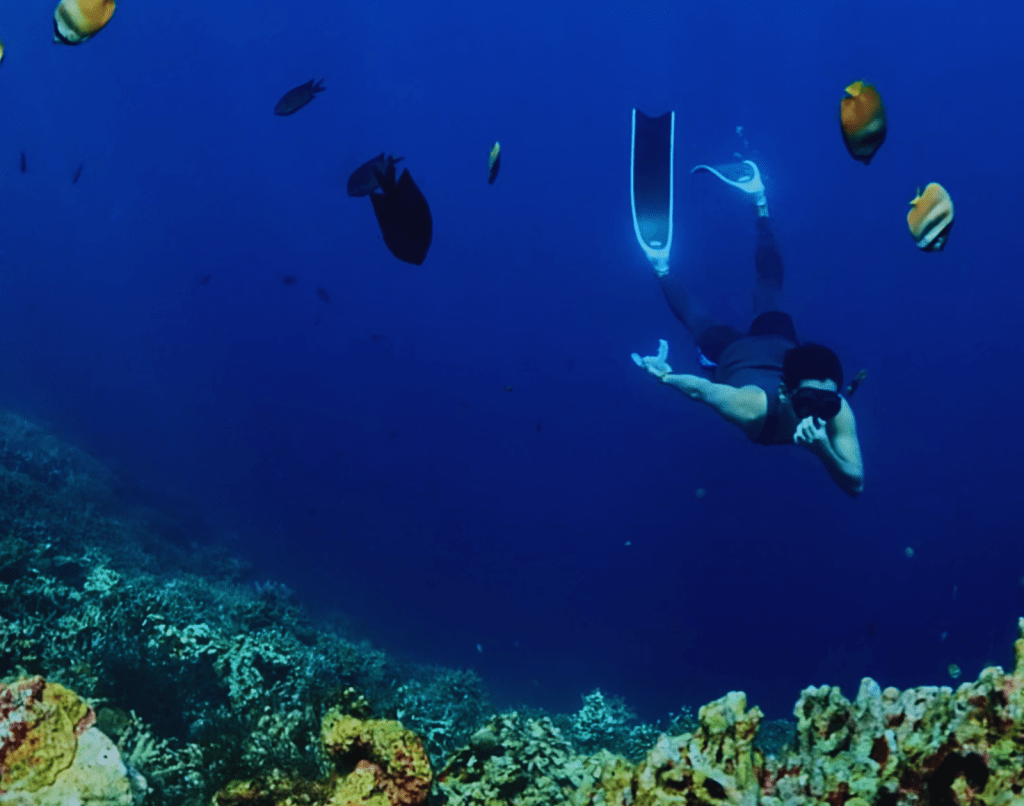
When it comes to freediving, technique is only half the story. The rest? It’s in your mindset. Whether you’re just starting your freediving journey or already building your depth, mastering the mental game is just as important as any breath-hold or fin kick. That’s where the 3 Cs of Freediving come in: Courage, Calmness, and Composure.
Courage
Overthinking can sometimes be your biggest barrier. You might wonder, Can I really dive that deep? What if something goes wrong? These thoughts are normal, especially when you’re new to freediving. People often say, Just do it. But I’d say, Do it with caution and awareness.
Diving into the open sea is no small thing. The ocean is vast, mysterious, and constantly moving. Fear often stems from the unknown, but the more time you spend in the water, the more familiar and safe it begins to feel. If you want to develop real courage in freediving, start by building a consistent and positive relationship with the sea. Learn how your body reacts underwater, get comfortable with your freediving gear, and slowly increase your exposure.
Think of the ocean as someone you’re getting to know. It’s a relationship built on trust, presence, and respect. The more experiences you share with the sea, the more your courage will grow.
Calmness
Here’s something you’ll hear from every freediving instructor: Do not panic. Sounds simple, but in practice, it takes focus. Freediving is not for those who live in their what-ifs. It’s for those who are ready to let go and fully commit to the moment.
The good news? Calmness is a skill you can learn. Before your first open water session, you’ll go through dry lessons or pool training to practice relaxation techniques, breathing patterns, and safety protocols. This foundation gives you a preview of how your body and mind respond before you even touch the ocean.
A calm mind is your anchor. It helps you conserve oxygen, stay safe, and enjoy the experience. When you dive, leave your everyday stress on shore. Be present. Trust yourself. And most of all, have fun with it.
Composure
While calmness is about relaxation, composure is your ability to stay that way no matter what happens. Picture this: you’re underwater and a big fish swims by. Or maybe you lose sight of your buddy for a moment. Composure is what helps you stay steady, breathe slowly when you resurface, and make good decisions even when things feel unexpected.
This mental stability is one of the key pillars of freediving safety and confidence. It allows you to respond instead of react. You can’t control the sea, but you can control your internal state. And that is what makes you a stronger freediver.
2. Adequate Sleep: Your Body’s Natural Dive Prep

Looking back, my worst dives all had one thing in common. I couldn’t equalize, and I hadn’t slept well the night before. Whether it was from nerves or too much partying, the outcome never changed: tight sinuses, tense shoulders, shallow breathing, and a constant struggle to stay calm underwater.
Lack of sleep throws everything off. It affects your focus, your breath control, and how your body responds to pressure. Freediving asks for a relaxed mind and a rested body. Without those, even the basics can become difficult.
Getting 7 to 9 hours of good sleep helps your body reset, your breath-hold improve, and your mind stay clear. Skip the late-night screens, caffeine, or alcohol. Show up rested, grounded, and ready to enjoy the sea!
3. Body Fuel: Smart Nutrition and Hydration Before You Dive
I remember, during one trip to Apo Island in Dumaguete, I went snorkeling without eating breakfast. I was swimming with turtles, enjoying the ocean, but just a few minutes in, I started feeling dizzy and drained. A candy I had in my bag gave me just enough sugar to recover, but it was a reminder that proper fuel is essential before any dive.
How you treat your body before freediving directly affects your performance, comfort, and safety in the water. Hydration plays an equally important role. Staying hydrated supports oxygen circulation, makes equalization easier, and helps your body handle pressure changes more effectively.
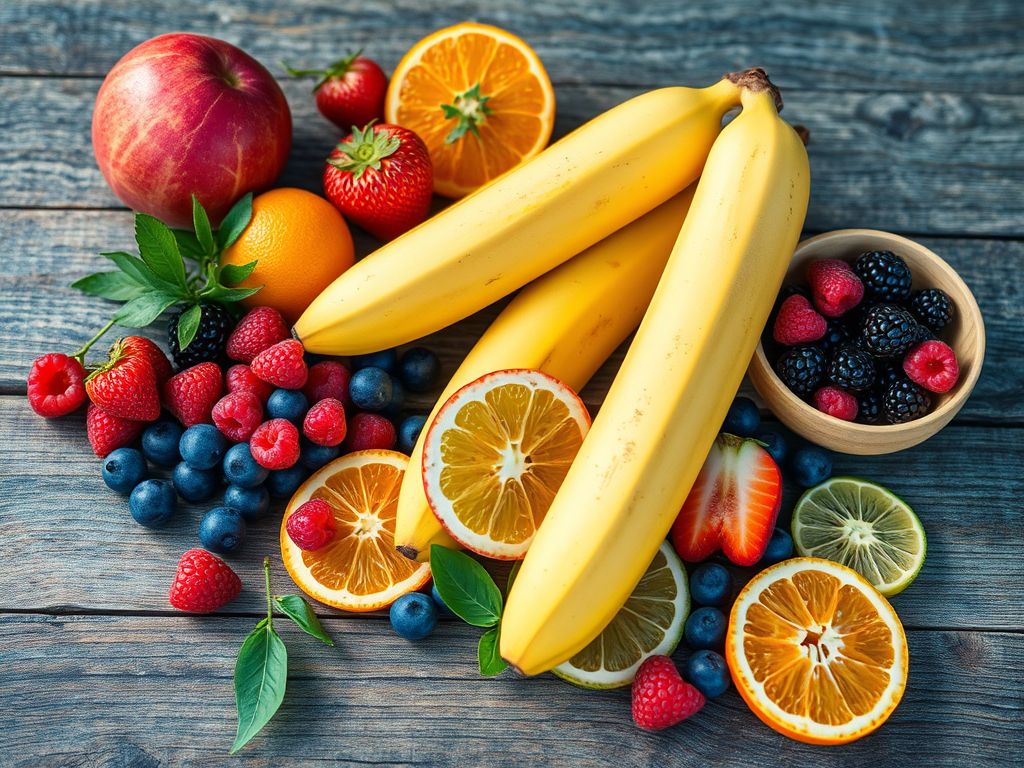
My friend, the one who introduced me to freediving, used to experience leg cramps during dives. I would always recommend a banana, which is rich in potassium and helpful for muscle recovery. Frequent cramps often indicate that the body needs more attention through nutrition, hydration, or stretching.
Not all food is created equal when it comes to pre-dive prep. Do not eat just for the sake of eating. Heavy meals, greasy dishes, and dairy products can weigh you down and make it harder to equalize or relax. Light, energy-boosting options like fruit, oats, or toast are better choices. Giving your body time to digest before entering the water adds to your comfort and control during the dive.
4. Equalization Practice: Train Your Ears Before You Dive

Before I took my intro to freediving course, a local friend in Barracuda Lake, Coron already taught me how to equalize. Looking back, that moment made all the difference. If I hadn’t learned the basics of freediving equalization ahead of time, my first dive might have felt a lot less smooth. For me, it’s the most important freediving skill every beginner should focus on right from the start.
What is equalization?
Equalization is what your body naturally tries to do when pressure builds, like when your ears pop while flying or diving in a pool. In freediving, learning to equalize your ears early and properly is key to diving safely, staying comfortable, and preventing injury.
Even before your course, it helps to practice simple techniques on land. I personally started with the Valsalva maneuver because I think it’s more simple. It’s a bit like clearing a stuffy nose, but instead of pushing air out, you’re gently releasing it through your ears. Later on, you’ll learn more advanced techniques like Frenzel, which are especially helpful as you go deeper.
Your instructor will definitely walk you through these methods during the dry session. But getting familiar with the feeling beforehand gives you a head start. Once you can equalize smoothly, your dives become more enjoyable, more relaxed, and a lot less stressful , especially during those first few descents.
5. Freediving Buddy: Trust and Safety Underwater
DO NOT DIVE ALONE is the golden rule of freediving. Freediving is never a solo sport. Having a trained freediving buddy is not just a suggestion, it’s a non-negotiable safety rule! Your dive buddy is your support system in and out of the water. They monitor your dive, assist during recovery, and make sure you’re okay if anything feels off.
During your intro course, you’ll be paired with a buddy or spotter and learn the basics of buddy protocols, rescue techniques, and surface support. Practicing these skills early helps build trust and confidence, not just in others, but in yourself too.
The buddy system isn’t just about safety. It also makes the entire freediving experience more fun and meaningful. Sharing moments of progress, seeing each other grow, and exploring the sea together is part of what makes this community special.
Runner Up: Low-Volume Mask, Your Window to the Underwater World

Let’s talk about gear, specifically, the low-volume mask. One of the most important gear you’ll use in freediving. Unlike regular snorkeling or scuba masks, low-volume masks are designed to sit closer to your face, which means they need less air to equalize as you dive. Yes, you need to equalize them too! That small detail makes a big difference when you’re holding your breath and trying to conserve oxygen.
You don’t need to spend a lot right away. What matters most is finding a mask that fits your face well. A proper seal means fewer distractions and a more relaxed experience in the water. When I took my intro course, I just used one of the masks provided by the school, and that was totally fine. Many freediving schools offer gear for beginners, so you can get a feel for it before deciding to buy your own.
If you do want to invest, I suggest visiting a local dive shop so you can test-fit a few options. Some great starter masks are available online too, but it’s always best to try them on in person if you can, then buy them online once your decided on the brand and the style. For your first few dives, using the school’s gear is perfectly okay.
Tip: Look for a mask with black or dark silicone. It blocks out excess light, helping you stay focused and relaxed during your dives, especially in bright, tropical waters.
Final Thoughts
Freediving taught me more than just how to hold my breath. It showed me how to be present, calm, and deeply connected to the ocean. Preparing for your first freediving course might feel overwhelming, but taking care of your mind, body, and gear makes all the difference. From building trust in the water to understanding your limits and listening to your body, these small preparations will set the foundation for a safer and more meaningful experience. Every dive is a chance to learn, to feel, and to fall in love with the sea all over again. So take that first step, breathe deeply, and let the ocean show you what you’re capable of.
Curious about freediving and slow travel? I share weekly tips on Instagram, TikTok, and YouTube Shorts @froyows!

 FROYOWS TRAVEL & FREEDIVING
Leave a reply to Andrea Garcia Cancel reply