
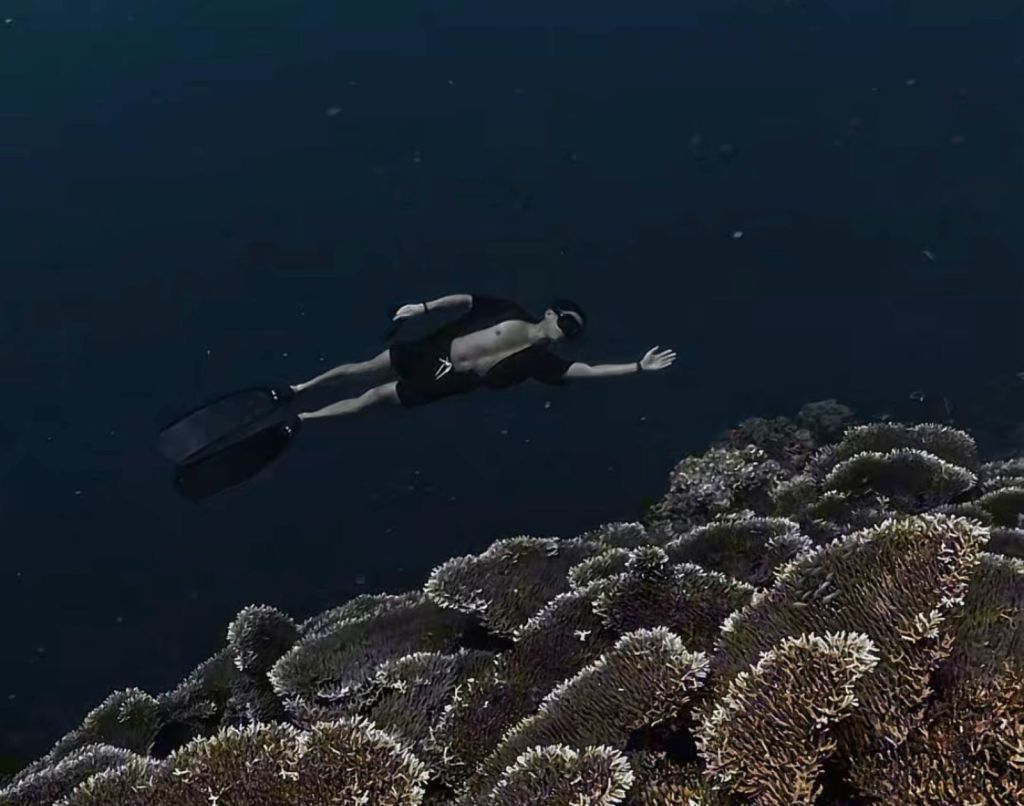
If you are curious about freediving, one of the first questions you probably have is this: Is freediving actually safe for beginners?
That is a smart question to ask. In fact, it is one of the most important questions you should ask before joining a class, booking a trip, or stepping into open water for the first time.
Freediving is often described as an extreme sport, and that can sound scary when you are just starting out. It can make it seem like freediving is only for strong swimmers, very athletic people, or people who are already fearless in the water. But that is not always true. Many people discover freediving as complete beginners. Some are nervous. Some are not confident swimmers. Some simply want to try something new while traveling in the Philippines.
So, is it safe?
The honest answer is this: freediving can be safe for beginners when it is learned the right way, with the right coach, in the right environment, and with the right mindset. It becomes unsafe when people rush, ignore safety rules, follow what they see online without understanding it, or treat the sport like a challenge instead of a skill to learn slowly.
That is what many beginners do not hear enough.
When people first imagine freediving, they often think about going deep, staying underwater for a long time, or doing something impressive for a photo or video. But if you are a beginner, especially if you are still building confidence in the water, those should not be your goals. Your real goal is much simpler and much more important: learn how to be safe, calm, and comfortable in the water first.
Your safety should always come before everything else! Before depth. Before trying to stay underwater longer. Before trying to keep up with others. Before social media. Before pride.
And if you are a non-swimmer or someone who gets anxious in the water, this matters even more.
Let me also set your expectations honestly. Your first freediving session may feel harder than you expected. It may feel exciting, but also awkward, tiring, or overwhelming. If you are not used to putting your face in the water, floating in the sea, or trusting your body to stay calm, your first session may challenge you. That does not mean you are weak, and it does not mean you are bad at it. It simply means you are new.
This is exactly why beginner education matters so much.
A lot of people want a simple yes or no answer to the safety question. But the real answer is bigger than that. To understand whether freediving is safe for beginners, you need to understand what “safe” actually means, what can go wrong, what beginners should do before joining a session, how non-swimmers should approach the sport, and what kind of coach or learning environment you should look for.
This guide is here to give you that fuller picture.
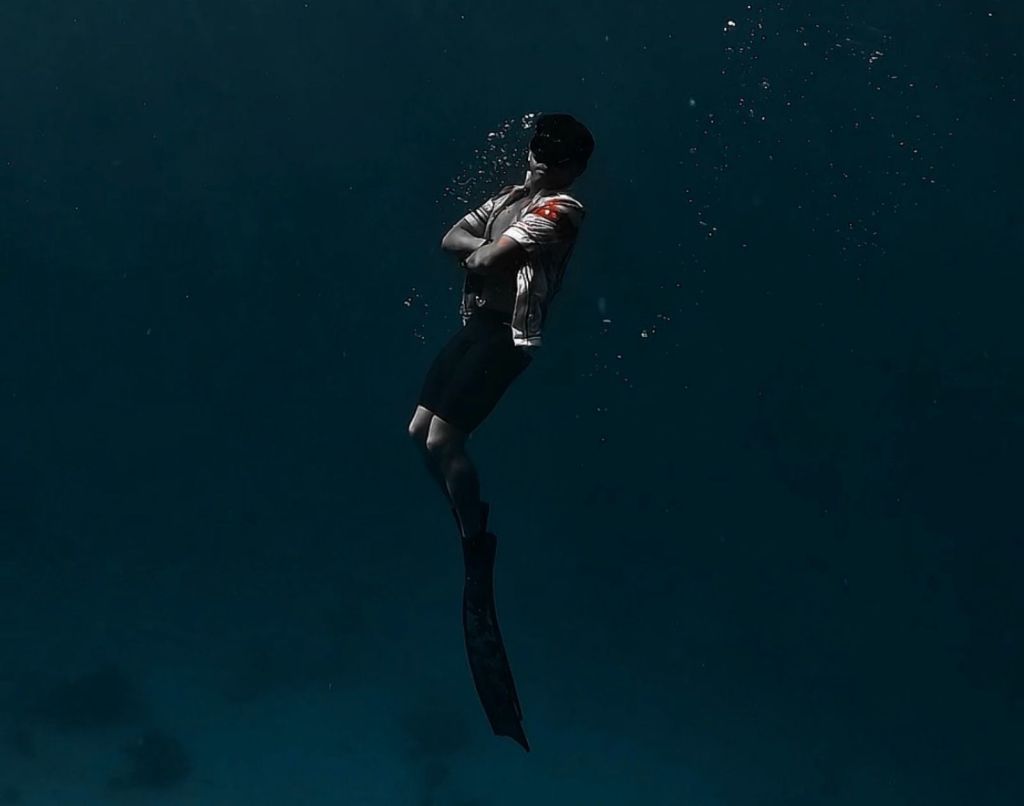
So, is freediving safe for beginners?
Yes, it can be.
But it is not safe just because the water looks calm, because a class says it is beginner-friendly, or because other people make it look easy. Freediving is safe when the person learning it is properly guided, properly watched, and not being pushed beyond what they are ready for.
That is the part many people miss.
Freediving is not something beginners should treat casually just because it is popular on social media or because many travel destinations in the Philippines now offer beginner sessions. Water is still water. The sea is still unpredictable. Fear, poor decisions, and a lack of preparation can still put people at risk. That is why a beginner-friendly session should always be built around safety, not performance.
A safer beginner freediving experience is one where you are taught slowly, watched closely, and allowed to move at your own pace. It is one where you feel comfortable asking questions, saying you are scared, and stopping when something does not feel right.
That is what safe freediving for beginners should look like.
What you should do as a beginner:
- Think of your first session as a lesson, not a test.
- Tell yourself, “I do not need to go deep. I do not need to be amazing today. I just need to learn safely.”
- Choose a real beginner session, not something that only looks beginner-friendly online.
- Ask the coach if the session is truly designed for first-timers.
- Give yourself permission to stop anytime if you feel scared, confused, tired, or uncomfortable.
What “safe” really means in freediving
Many beginners think safety simply means “nothing bad happens.” But real safety starts much earlier than that.
In freediving, “safe” means you are learning with someone qualified and responsible. It means you are not left alone in the water. It means your coach is paying attention to you, not just talking to the whole group and hoping everyone figures it out. It means the session is really designed for beginners, not for people who already feel very comfortable in the water.
It also means you are not under pressure to perform.
That part matters more than many people realize. Some beginners feel unsafe not only because of the water itself, but because they feel rushed, embarrassed, compared to others, or pushed to do more than they are ready for. A truly safe session protects you from that, too. It gives you room to learn without pressure.
Safe also means learning good habits from the very start. It means understanding that you should never dive alone, never hide discomfort, never push through panic, and never treat the sport like a competition.
In simple words, safe freediving is not about acting brave. It is about being guided well, staying aware, and respecting both your body and the water.
What you should do as a beginner:
- Pick safety over pride every time.
- Listen carefully before getting into the water.
- Ask simple questions when you do not understand something.
- Stay close to your coach or assigned buddy.
- Tell the truth if something feels wrong, even if it seems small.
- Never do something just because someone else in the group is doing it.
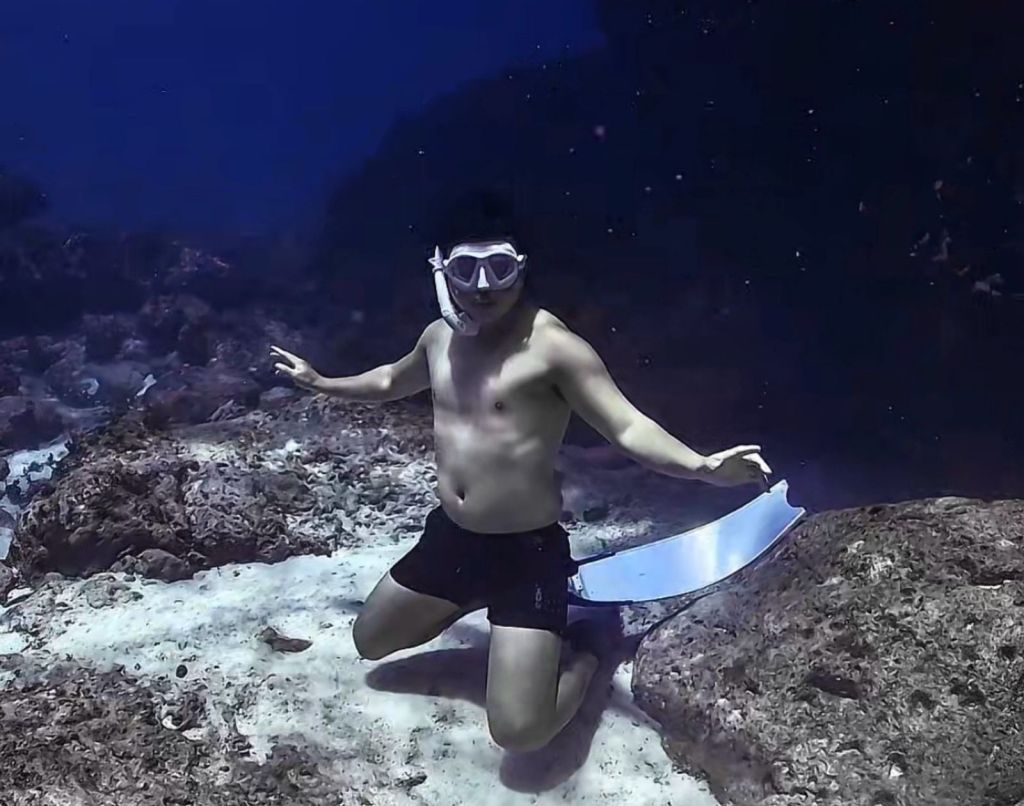
Why do beginners worry about freediving safety?
If you are nervous about freediving, that does not make you dramatic. It makes you sensible.
A lot of beginners worry about getting tired in the water, swallowing water, feeling panic, not knowing what to do, or not being able to stay calm. Non-swimmers may worry even more because they may already feel unsure in water before they even begin. Others are afraid of the sea itself, of not being able to touch the ground, or of feeling out of control once their face is underwater.
These fears are normal.
It is actually better to start with respect than with overconfidence. The bigger problem is when people ignore their fears, pretend they are ready, or join a session without understanding what they are getting into. That is when poor decisions happen.
Fear becomes useful when it helps you prepare better, choose better, and ask better questions.
What you should do as a beginner:
- Do not be ashamed of being scared.
- Tell your coach if you are nervous before the session starts.
- Do not pretend you are okay when you are not okay.
- Take small steps and focus on one thing at a time.
- Let simple progress count, even if it feels small.
What can actually go wrong in freediving?
This is one of the most important parts of the conversation, especially if you want the full picture.
Freediving can go wrong when people are careless, unprepared, poorly supervised, or trying too hard to prove something. Some of the problems beginners can face include panic in the water, pain in the ears from going down too quickly, exhaustion, swallowing water, poor decisions, or blacking out because of unsafe habits.
You do not need to be obsessed with scary outcomes, but you do need to know that risks exist.
For beginners, one of the biggest dangers is not just going deeper. It is doing things without enough understanding. It can be joining a class while tired, sick, or emotionally overwhelmed. It can be copying someone online. It can be trying too hard because other people in the group seem more comfortable. It can be hiding that you feel dizzy, scared, or not okay because you do not want to look weak.
Another risk is poor supervision. Even a beginner session can become unsafe if the coach is distracted, the group is too large, or nobody is really watching each person properly.
This is why freediving safety is not just about your body. It is also about the quality of the people and system around you.
What you should do as a beginner:
- Do not copy random freediving tips from social media.
- Never practice long underwater breath-holding by yourself.
- Stop immediately if you feel pain, panic, dizziness, or confusion.
- Do not force yourself to continue when your body feels uncomfortable.
- Stay inside the lesson your coach gave you. Do not create your own challenge.
- If you are unsure, stop and ask.
The biggest mistake beginners make
The biggest mistake many beginners make is thinking freediving is mostly about staying underwater longer.
That is where many unsafe choices begin.
When beginners focus too much on numbers, they forget the more important things: staying calm, listening to instructions, noticing how their body feels, and stopping when they need to stop. They also become more likely to compare themselves with others, which creates pressure and poor judgment.
Freediving should not start as a test of how much discomfort you can handle. It should start as a lesson in awareness, water confidence, and self-control.
A good first session is not measured by how impressive it looked. It is measured by whether you felt supported, learned something important, and came away safer and more confident than before.
What you should do as a beginner:
- Do not make depth or time your goal on day one.
- Ask, “What should I learn first to be safe?”
- Do not compare yourself with other students.
- Care more about feeling calm than looking impressive.
- Celebrate simple wins like floating calmly, listening well, and staying relaxed.
Why safe freediving starts before you even get in the water
A lot of people think safety begins once the session starts. It actually begins earlier.
Your condition before getting into the water matters. If you are very tired, dehydrated, hungover, sick, emotionally overwhelmed, or just not feeling well, your session may not go the way you want. Even if you technically can join, that does not always mean you should.
Beginners should come into a freediving session rested, hydrated, and honest about how they feel. If you have ear problems, breathing problems, a strong fear of water, or any medical concern that could affect your session, that should be discussed before you begin.
Being honest before the session is part of being safe.
What you should do as a beginner:
- Sleep well the night before.
- Drink enough water before the session.
- Do not drink alcohol before your class.
- Do not join if you are sick, heavily congested, or feeling weak.
- Eat in a way that makes you feel comfortable, not too full, and not starving.
- Tell your coach about any health issues, fears, or concerns before getting in the water.
- Arrive early enough that you do not feel rushed.
Can non-swimmers safely try freediving?
This is one of the biggest beginner questions, and it deserves a clear answer.
Yes, some non-swimmers can start learning freediving, but it depends on what “non-swimmer” means in your case.
If you mean you are not confident doing proper swim strokes, but you are okay floating, kicking gently, and staying calm in the water, then you may still be able to join a beginner-friendly session with the right coach. Some people are not strong swimmers in the usual sense, but can still begin learning basic freediving safely.
But if being a non-swimmer means you panic easily, cannot float, cannot stay calm when your face is in the water, or feel intense fear when you are not touching the ground, then it may be better to first build basic water confidence before joining a full freediving session.
That is not failure. That is wisdom.
You do not have to force yourself into a sport before your body and mind are ready for it. Some people need to first learn comfort in shallow water. Some need to practice floating. Some need a private or slower introduction instead of a standard group class.
The safest path for non-swimmers is not pretending you are ready. The safest path is starting where you really are.
What you should do as a beginner:
- Be honest about what kind of non-swimmer you are.
- Tell the coach ahead of time that you are not confident in the water.
- Ask if they have experience teaching nervous beginners or non-swimmers.
- Do not book a session just because your friends are doing it.
- Choose a calm, patient coach, not just a popular one.
- Accept that your first goal may only be water comfort, and that is okay.
How non-swimmers can prepare more safely
If you are a non-swimmer and still interested in freediving in the Philippines, there is a safer way to begin.
Start with a coach who is known for patience and beginner support. Ask if they teach very nervous students or non-swimmers. Be honest instead of trying to keep up.
It also helps to build a few basic water skills first. Can you stand in shallow water and stay calm? Can you put your face in the water for a few seconds? Can you float with support? Can you kick gently without panicking? These small steps matter more than many people think.
For some people, a pool feels safer than the sea at first. Others may do better with a private lesson instead of a group. There is no single perfect starting point. The right starting point is the one that lets you learn without feeling overwhelmed.
What you should do as a beginner:
- Practice being comfortable in shallow water first.
- Practice putting your face in the water while staying calm.
- Learn how to float with support.
- Practice gentle kicking if you can.
- Start in a pool if the sea feels too scary.
- Book a private lesson if group settings make you nervous.
- Take your time. Water confidence grows slowly.
Why you should never freedive alone
If there is one rule every beginner should remember, it is this: never freedive alone.
Not in the sea. Not at the beach. Not in a pool. Not even if the water looks calm and shallow.
Problems in the water can happen quickly, and they do not always look dramatic at first. That is why having another person nearby is not enough. You need someone who is actually watching you properly and ready to help if something goes wrong.
This is one of the reasons beginner freediving should always be taught with proper supervision. Safety in the water is not just about your awareness. It is also about whether someone responsible is truly there with you.
What you should do as a beginner:
- Make this a strict rule: never dive alone.
- Do not practice underwater breath-holding games by yourself.
- Do not assume shallow water is always safe.
- Stay where your coach or buddy can clearly see you.
- Make sure your buddy is really watching you, not distracted.
- If nobody is properly watching, do not continue.
What a safe beginner session should look like
A safe beginner freediving session should feel calm, clear, and well-guided. Before getting into the water, the coach should explain what the session will involve, what the safety rules are, and what you should do if you feel uncomfortable at any point.
You should never feel confused about what is happening.
Once you are in the water, the pace should feel manageable. You should not be rushed into doing more than you are ready for. A good coach watches not only what you do, but also how you look and feel. If you seem tense, scared, or uncomfortable, the session should adjust.
A safe session also gives you permission to stop. You should never feel trapped in a lesson just because you already paid for it or because others in the group seem to be doing well. A coach who creates pressure is not creating a safe learning space.
What you should do as a beginner:
- Notice how the session starts. It should begin with explanation, not confusion.
- Ask what will happen step by step.
- Check if the coach is watching each person carefully.
- Pay attention to how you feel, not just what the group is doing.
- Take breaks when needed.
- Speak up early if something feels wrong.
- Leave the session if it feels careless or too fast.
Red flags beginners should watch out for
Not all freediving experiences are the same. Even in beautiful travel destinations in the Philippines, a nice location does not automatically mean the learning environment is good.
Be careful if a coach seems more focused on photos and videos than on your safety. Be careful if the group is too large and students are not being watched closely. Be careful if there is little explanation before the session starts. Be careful if you are encouraged to push through fear instead of being guided through it properly.
Another red flag is when beginners are made to feel weak for asking questions or slowing down. A good coach does not shame beginners. A good coach explains clearly, respects limits, and keeps the session grounded.
Trust your instincts. If something feels rushed, careless, messy, or overly focused on performance, it may not be the right place for your first freediving experience.
What you should do as a beginner:
- Watch how the coach treats nervous students.
- Notice if the group feels too crowded.
- Be careful if there is almost no safety talk.
- Be careful if people are rushed into the water.
- Be careful if filming seems more important than teaching.
- Trust your gut. If it feels unsafe, leave.
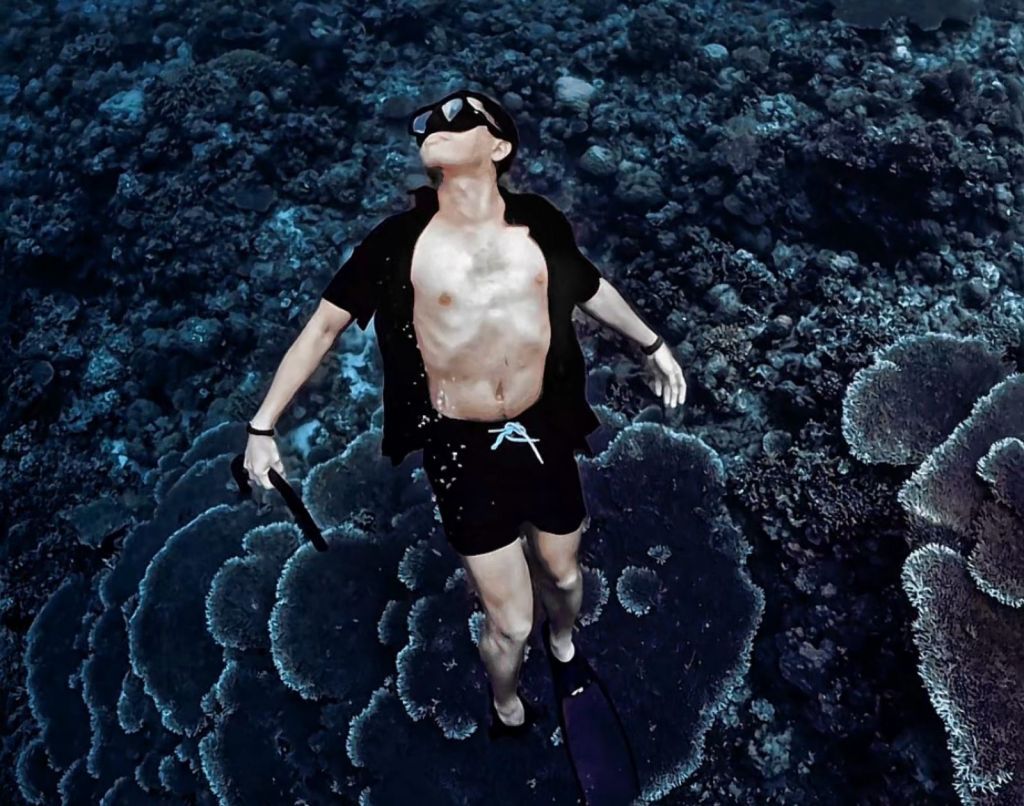
Freediving safety in the Philippines: what beginners should know
Freediving in the Philippines can be beautiful, beginner-friendly, and rewarding. Warm water, island destinations, and scenic reefs make it an exciting place to learn. But local conditions still matter, and beginners should not ignore them.
The sea changes from day to day. Some places may have stronger waves, moving water, poor visibility, slippery entry points, sharp reef areas, or boats passing nearby. The weather can also change quickly. Even a place that looks calm in photos may feel very different in real life.
That is why beginners should not choose a freediving session based on looks alone. Ask whether the location is really suitable for first-timers. Ask whether the area is calm and manageable for your level. Ask how the coach chooses safe conditions for beginners.
The best beginner freediving experiences in the Philippines are not only beautiful. They are also carefully managed.
What you should do as a beginner:
- Ask what the water conditions are like that day.
- Ask if the location is good for real beginners.
- Wear gear that fits you properly and feels comfortable.
- Watch your step when entering and leaving the water.
- Look around for waves, boats, slippery rocks, or sharp reef areas.
- Do not assume a beautiful place is automatically safe for beginners.
- Let local knowledge guide you.
Psychological safety matters too
One important part of freediving safety that often gets overlooked is emotional safety.
Beginners not only need physical supervision. They also need an environment where they feel safe to admit fear, ask questions, and move slowly. This matters because panic, shame, and pressure can affect how someone behaves in the water.
Some people freeze when they feel watched. Some become embarrassed when others in the group seem more confident. Some push beyond what they can handle because they do not want to disappoint the coach or look like the weakest person there.
That kind of pressure is not good for beginners.
A beginner-friendly environment should feel calm, respectful, and supportive. You should feel like your nervousness is normal, not inconvenient. Especially for non-swimmers, this can make the difference between a frightening first experience and a meaningful one.
What you should do as a beginner:
- Choose a learning space where you feel safe asking questions.
- Do not laugh off your fear just to look brave.
- Pause when your mind feels overloaded.
- Tell your coach if you freeze or panic when scared.
- Do not pressure yourself with thoughts like “I should be better already.”
- Talk to yourself kindly and remember that learning takes time.
Who should try freediving, and who should wait a bit?
Freediving may be a good fit for you if you are curious, willing to learn slowly, ready to listen, and open to putting safety first. You do not need to be fearless. You do not need to be athletic. You do not need to be naturally good in the water. You just need the right environment and the right expectations.
But some people may benefit from waiting a bit before joining a standard beginner session. If you are deeply uncomfortable in water, panic very easily, are currently unwell, or have health concerns that could affect your breathing or comfort, then it may be better to start with simpler water-confidence work or speak with a medical professional first.
Waiting is not missing out. Sometimes it is the smartest step you can take.
What you should do as a beginner:
- Try freediving if you are curious and willing to learn slowly.
- Wait a bit if you panic easily in water and still need basic water comfort.
- Wait and prepare first if you are sick, exhausted, or emotionally overwhelmed.
- Ask a doctor first if you have health concerns that may affect you in the water.
- Choose the safest version of starting, not the fastest one.
What real beginner progress actually looks like
Many people think beginner progress in freediving should look dramatic. In reality, it often looks quiet.
Progress can mean you feel calmer in the water than last time. It can mean you floated with less fear. It can mean you asked for help instead of hiding discomfort. It can mean you stopped before panic became worse. It can mean you trusted yourself a little more.
These small moments matter.
They are often more meaningful than trying to impress anyone on your first day. Especially for beginners and non-swimmers, progress should be measured by comfort, awareness, and confidence, not by looking advanced.
What you should do as a beginner:
- Measure progress by comfort, not by depth.
- Be proud of small wins.
- Write down what felt better after each session.
- Do not chase big results too early.
- Keep learning slowly and steadily.
- Remember that a safe beginner is doing well.
The truth beginners need to hear
Freediving is not safe because it is trendy. It is not safe because other people make it look easy. And it is not safe just because a place says it is beginner-friendly.
Freediving becomes safer when you are taught well, watched closely, and allowed to grow at a pace that respects your real comfort level. It becomes safer when you are honest about your fears, especially if you are a non-swimmer. It becomes safer when you choose coaches who value people more than performance.
That is the real meaning of safe.
What you should do as a beginner:
- Choose patient teaching over flashy teaching.
- Focus on learning good habits first.
- Be honest about your fears and limits.
- Do not rush just because others seem faster.
- Build your confidence step by step.
- Let safety be your first goal every time.
FINAL THOUGHTS
So, is freediving actually safe for beginners? Yes, it can be, but safe freediving is never about acting brave or forcing yourself to do more than you are ready for. It is about learning in the right environment, with the right support, and with the right mindset from the beginning. For beginners, and especially for non-swimmers, safety means being honest about your current level, building comfort step by step, and choosing guidance that puts your well-being first.
If you are interested in trying freediving in the Philippines, let your first goal be confidence, not performance. You do not need to rush into depth, impress anyone, or prove you are fearless. Start with safety, start with patience, and start with people who know how to care for beginners properly. That is where a good freediving journey begins.
Stay inspired for your next dive or trip! Follow @froyows on Instagram, TikTok, and YouTube Shorts.
© 2026 Froyows Travel & Freediving. All Rights Reserved.
Powered by LB Digital Marketing Services.
 FROYOWS TRAVEL & FREEDIVING
Leave a comment