
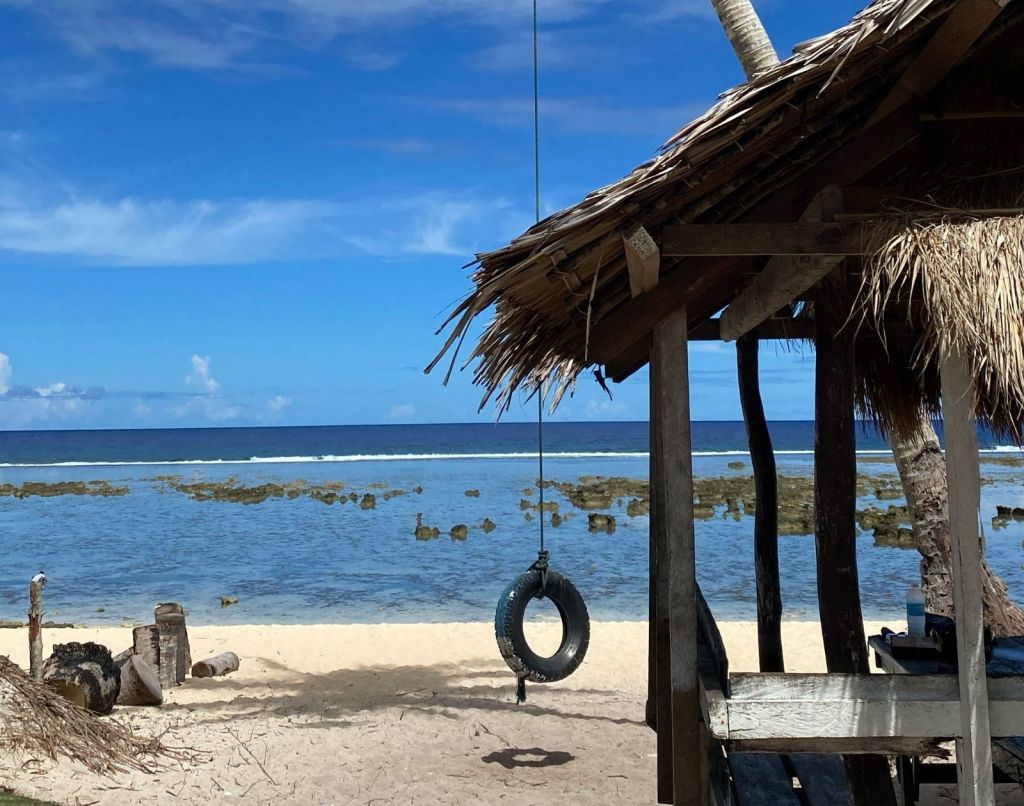
When I was a beginner, just like you, I felt anxious about what to expect during my first freediving session. As an introvert, I tend to overthink the first days. It felt like going back to school for the first time. New faces, unfamiliar routines, and a quiet fear of not being “good enough.” But when I finally took that leap of faith, something shifted. Taking my first freediving course became one of the most grounded and empowering decisions I have ever made.
By the end of that weekend, I had gained more than just skills. I collected new experiences, faced fears I did not even realize I was carrying, met people who later became dive buddies and friends, and found a deeper sense of confidence in myself. Freediving has a way of doing that. It strips things down and brings you back to your breath, your body, and the present moment.
In this guide, I will walk you through what usually happens during a beginner freediving course in the Philippines, day by day, as if I were taking you along with me. Experiences vary depending on the school, location, and instructor, but this reflects the most common structure I have experienced and observed across multiple freediving communities in the country. Think of this as a friendly preview, so when your first day comes, you will not feel lost or overwhelmed.
Day 1
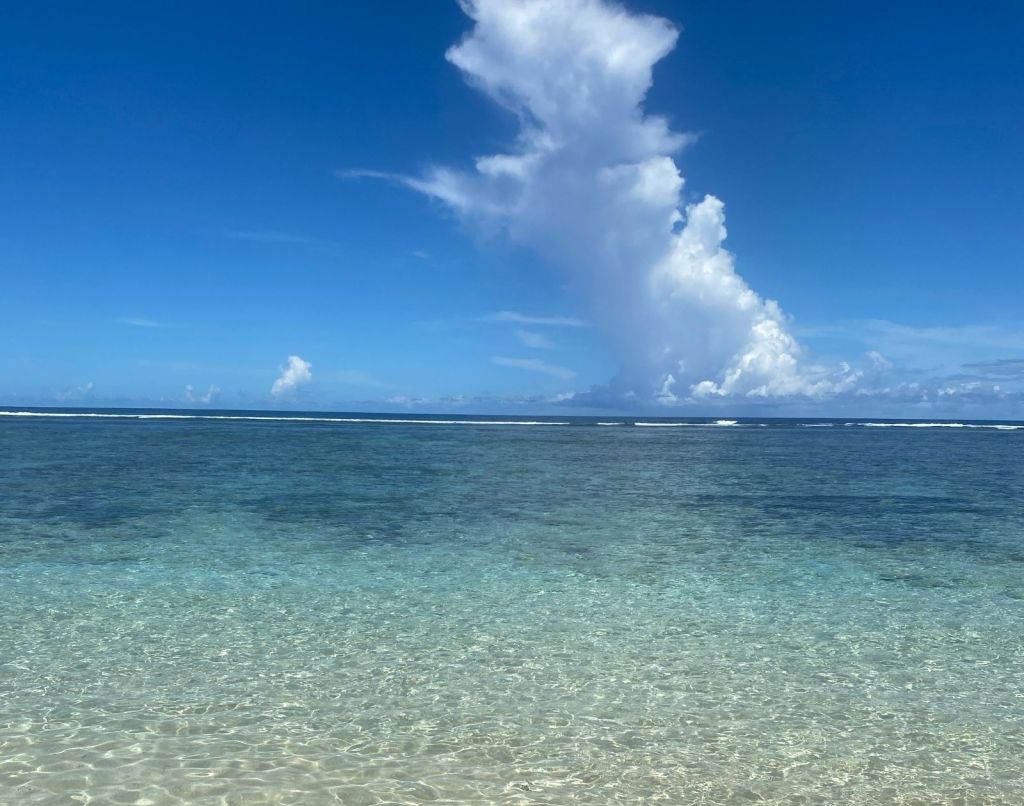
Morning: The Dry Lesson
Day 1 usually begins on land with a dry lesson (starts around 8:00 am). This is where you are introduced to freediving as both a sport and a discipline. You will learn that freediving is technically classified as an extreme sport, but as a beginner, your focus will be purely on recreational freediving and safety.
This session covers the foundations. You will learn how the body responds underwater, why relaxation matters more than strength, and how proper breathing affects your dive. Instructors will guide you through breathing exercises, gentle stretching, equalization drills, static breath-hold preparation, and recovery breathing. That familiar hook breathing sound, often described as “hope aaaah,” becomes something you will remember long after the course ends.
For equalization, beginners are usually taught the Valsalva maneuver, the most basic and accessible technique. The emphasis here is clear. Never force your ears. Comfort and safety always come first.
Mid-Morning: Gear Use Tutorial
Next comes gear orientation. You will learn how to properly use your mask, snorkel, and fins. Small adjustments here make a noticeable difference underwater. Some freediving schools in the Philippines conduct a warm-up session in a pool, while others head straight to shallow open water.
This part is often underestimated, but it matters. Proper fin technique, relaxed snorkeling, and efficient body positioning help you conserve energy and oxygen later on. Freediving rewards efficiency, not effort.
Before Lunch: Line Training
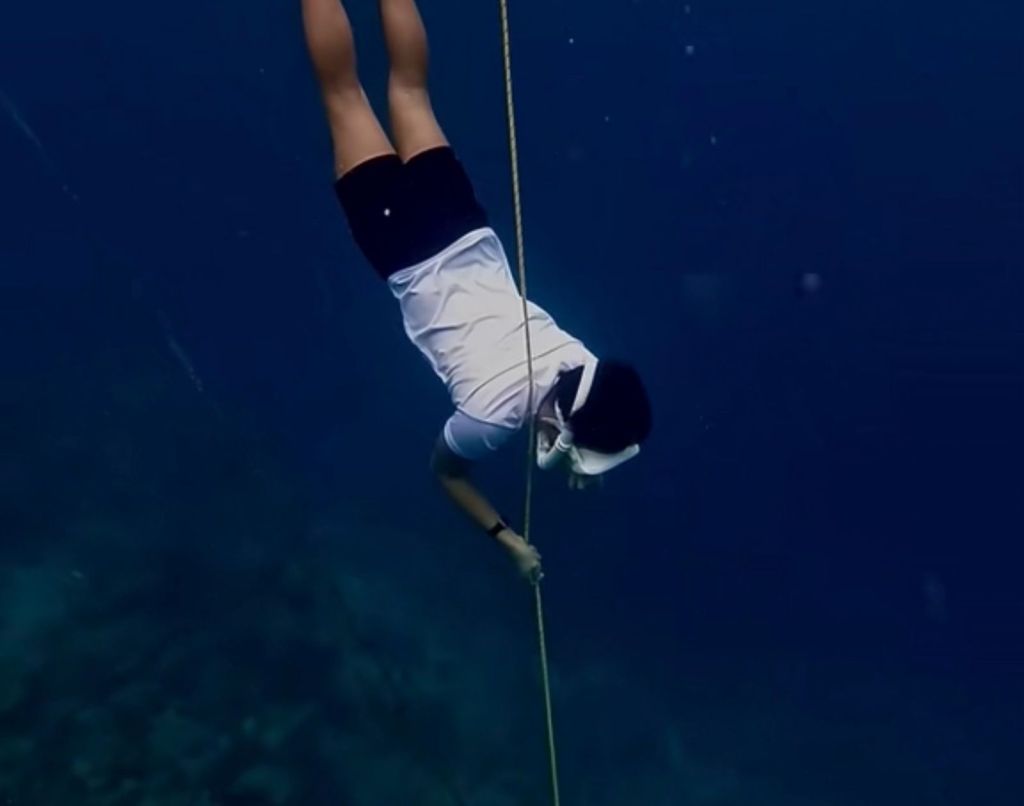
This is usually your first open water immersion, and yes, it feels like a big moment. A buoy with a line attached to the seafloor is set up, usually between five and eight meters for beginners. Using the line, you will slowly pull yourself down, focusing on equalization rather than depth.
If your ears do not equalize, you simply abort the dive and come back up. There is no pressure and no competition. You are encouraged to listen to your body. Every attempt is part of the learning process. Many schools also document your dives on video, giving you a helpful reference for your progress and technique.
Lunch: Refuel
Freediving is surprisingly energy-intensive. After the morning session, lunch becomes essential. Hydration and proper food help your body recover and prepare for the afternoon. Some schools even encourage a short nap, which honestly feels like a small luxury you did not know you needed.
Mid-Afternoon: Duck Dive Training
In the afternoon, you are introduced to the duck dive, your entry technique into the water. A proper duck dive sets the tone for your entire descent. When done correctly, it allows you to glide downward smoothly while conserving energy and oxygen from the very beginning of the dive.
This session can feel awkward at first. Timing, body position, and coordination take practice. But once it clicks, it starts to feel natural and almost playful.
Evening: Socialization and Dinner
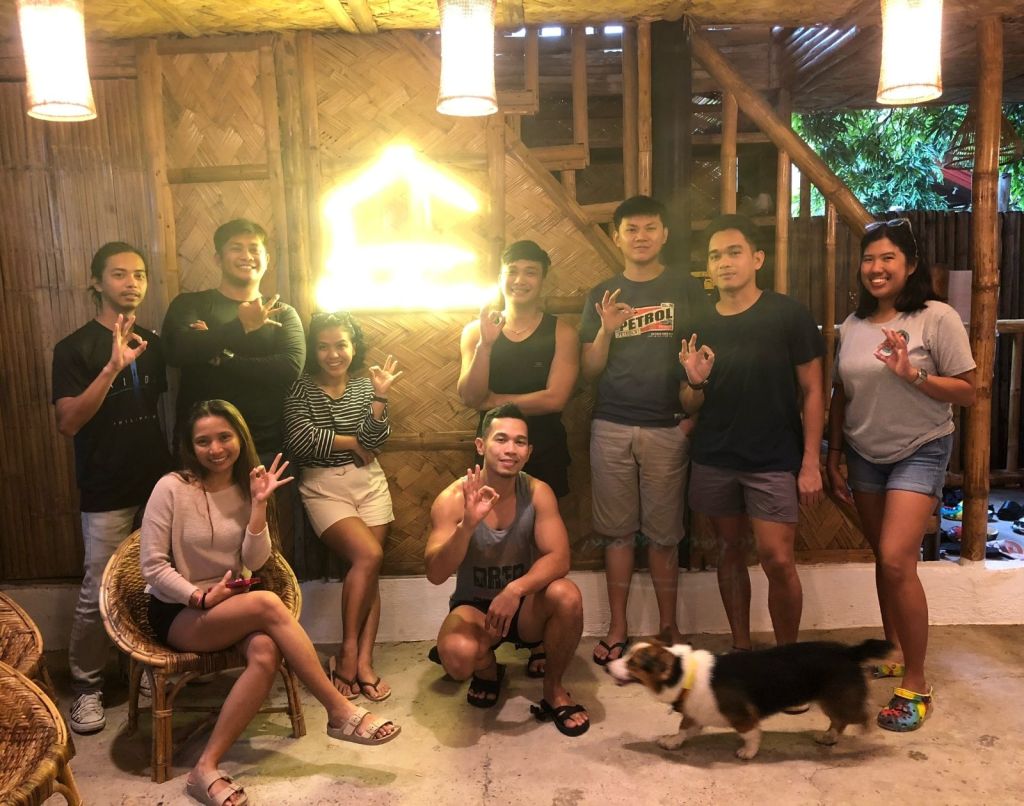
By evening, fatigue kicks in. Still, try to spend time with your fellow beginners. Share stories. Ask how they found freediving. You will quickly realize how diverse the community is. People come to freediving for different reasons, whether it is healing, curiosity, adventure, or simply trying something new.
Some social nights involve drinking, usually led by more experienced divers. While this is common, alcohol is not advisable, even for advanced freedivers. It affects hydration and equalization. If you drink, expect your ears to remind you the next day.
DAY 2
Morning: The Learning Application
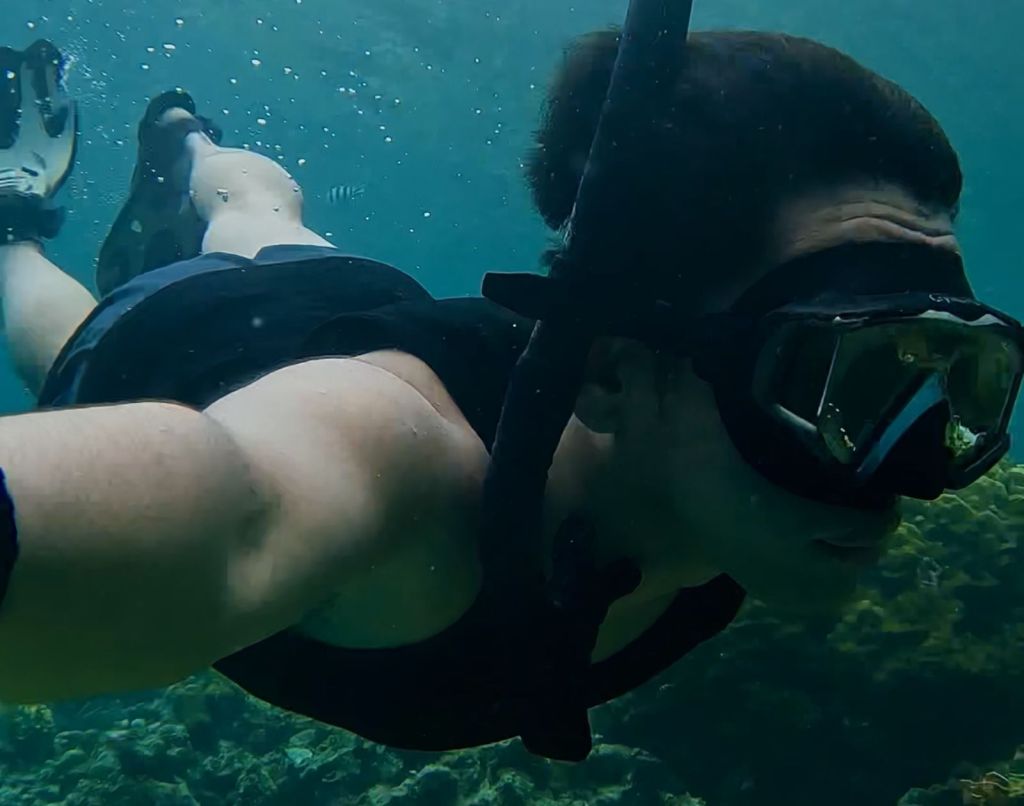
Day 2 is where everything starts to come together. You apply what you learned on Day 1. Duck dives, equalization, relaxation, and body awareness all return here. You will likely still struggle, and that is completely normal.
Instead of trying to master every skill, focus on equalization and relaxation. These are the real foundations of freediving. Depth will come later. Freediving is less about pushing limits and more about listening to your body.
If you feel behind, especially if you are a non-swimmer, do not be discouraged. Freediving is like learning a dance. Repetition builds muscle memory, from your ears to your toes. Progress does not look the same for everyone.
Afternoon: The Sad Goodbye
Like all good things, your first freediving weekend eventually ends. It feels bittersweet. You pack your gear, exchange contacts, and already start thinking about your next dive. This may be the end of your intro course, but it is only chapter one of your freediving journey.
If freediving resonated with you, it will linger in your thoughts. You will catch yourself planning fun dives, dreaming of deeper water, and looking for the next opportunity to get back into the sea.
What If I Want to Schedule My Freediving Intro During the Weekdays?
From personal experience, weekday freediving courses in the Philippines can actually be an even better option, especially if you prefer quieter environments. Fewer students usually mean calmer sessions, less surface traffic, and more time to focus on your breath and technique without feeling rushed. If you learn better in relaxed settings or feel overwhelmed by crowds, weekday sessions are worth considering.
That said, weekday schedules can be more limited. Joining a group class may be more challenging since most beginners book weekends. Many freediving schools address this by offering private or semi-private sessions. These provide more personalized attention but usually come with a higher cost. If your budget allows it, the added focus and flexibility can be a valuable trade-off, especially for first-timers.
Do Freediving Schools Offer 1-Day Sessions?
Yes, some freediving schools in the Philippines offer one-day intro courses, sometimes referred to as a day tour or express session. These are usually designed for people who are already comfortable in the water and pick up skills quickly, particularly those with strong swimming backgrounds.
Keep in mind that a one-day freediving session moves at a faster pace. The fundamentals are covered, but there is less time for repetition, rest, and gradual adaptation. While it can be a good introduction, it is not always ideal for complete beginners or non-swimmers. If you want a slower, more immersive learning experience, a full weekend course often provides a stronger foundation.
FINAL THOUGHTS
Your first beginner freediving course in the Philippines is not about how deep you go or how long you hold your breath. It is about learning to slow down, trust yourself, and reconnect with your body in an environment that demands presence. The ocean becomes both a teacher and a mirror, showing you where tension lives and where calm can exist.
If you are thinking about taking that first step, know this. Feeling nervous means you care. And if you allow yourself to stay curious, patient, and kind to your progress, freediving can become more than just a weekend experience. It can grow into a lifelong practice that reshapes how you move, breathe, and live, both in and out of the water.
Join the Froyows community for ocean stories, freediving tips, and travel guides on Instagram, TikTok, and YouTube @froyows.
 FROYOWS TRAVEL & FREEDIVING
Leave a comment