
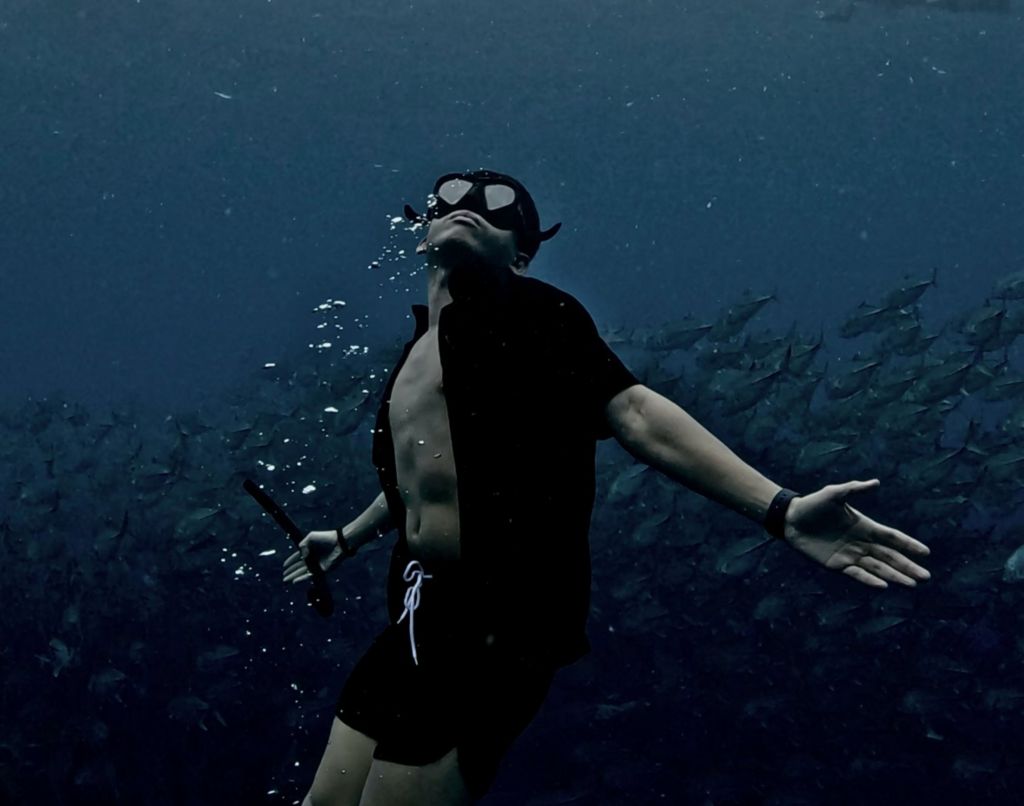
Freediving is one of the purest ways to connect with the ocean. With just one breath, you can explore colorful reefs, drift alongside sea turtles, or glide into the silence of the deep blue. But as freeing as it feels, freediving is also an extreme sport. The ocean is powerful, and without proper safety, even a shallow dive can quickly turn dangerous.
When I first started freediving in the Philippines, I had that fearless mindset: chasing depth, pushing my body, and skipping small but important safety steps. One dive gave me a painful reminder that I was not invincible. I ended up with a sinus barotrauma. Thankfully, it wasn’t a ruptured eardrum, but I had blood clots coming out of my nose for two days. That experience changed how I looked at freediving. It taught me that the ocean always deserves respect, and that safety is not just a guideline, it’s a non-negotiable.
As beginners, it’s easy to get caught up in numbers such as your first 20 meters, your longest static breath-hold, or even just looking good in your first underwater video. But before you aim for depth or duration, remember that most accidents are preventable if you commit to proper safety practices. Below are the five most important freediving safety basics that I follow on every dive.
1. Never Dive Alone!

This is the golden rule of freediving!
Freediving might look like a solitary sport, but it should NEVER be practiced alone. Your buddy is your lifeline. They are the one watching you from the surface, spotting early signs of distress, and ready to intervene if something goes wrong. Even world-class freedivers always dive with trained buddies, and it is a golden rule that has saved countless lives.
Whenever I join fun dives here in the Philippines, I make it a point to dive only with groups that include certified freedivers. The best setup looks like this: a coach who monitors and gives feedback, a certified instructor (Molchanovs or AIDA) who oversees technique and safety, and a buddy who’s watching your dive closely. In many cases, your coach also becomes your videographer, capturing your dives while making sure you come back up safely. Having this support system doesn’t just make diving safer, it makes the whole experience more enjoyable.
2. Equalize Early and Often

Equalization is one of the most important skills in freediving, yet it’s also one of the most common causes of injury among beginners. Waiting too long or forcing an equalization can lead to painful consequences like ruptured eardrums, sinus barotrauma, or even long-term ear damage. I learned early on that the goal is simple: you should never feel pain in your ears, sinuses, or teeth when diving. If you do, you’re already pushing too far.
Here’s a simple equalization routine I follow:
- Pre-equalize before duck diving so you’re starting your descent comfortably.
- Equalize immediately or just seconds after your duck dive.
- Continue equalizing throughout the descent, ideally every few feet, until you reach your depth.
Think of it as rhythm rather than effort. The more relaxed and consistent your equalization, the easier your dive becomes. This one habit can save you from months of recovery due to avoidable injuries.
3. Listen to Your Body

Freediving is as much about self-awareness as it is about technique. Your body gives you signals all the time: pain, dizziness, or chest tightness are all warnings you should never ignore. In my early days, I had moments when I almost blacked out because I was too focused on pushing personal bests. That wasn’t bravery, it was recklessness.
As a beginner, the healthier mindset is to enjoy gradual improvement. Celebrate small wins. Maybe today you held your breath for 10 seconds longer, or reached a meter deeper than last week. Freediving isn’t a race. The more you enjoy the process, the safer and more fulfilling your dives will be.
👉 One extra tip I learned the hard way: never dive with water stuck in your ears. Trapped water prevents proper equalization and can cause dizziness, discomfort, or even serious ear injuries. Always clear your ears before a dive. It takes just a few moments on the surface and saves you from painful consequences underwater.
4. Recovery Between Dives

What you do at the surface is just as important as what you do underwater. After each dive, recovery breathing helps restore oxygen levels, calms your body, and reduces the risk of blackouts. The technique is simple: slow, controlled breaths with short exhales. Pair this with proper surface intervals so your body has enough time to stabilize before your next descent.
A good rule of thumb is this: your recovery time should be longer than your dive time. For example, if you dive for one minute, rest for more than one minute before diving again. Skipping recovery is one of the most common mistakes beginners make, and it’s also one of the easiest to avoid. Respect the recovery process, and you’ll enjoy longer, safer, and more sustainable freediving sessions.
5. Do Not Touch Anything!
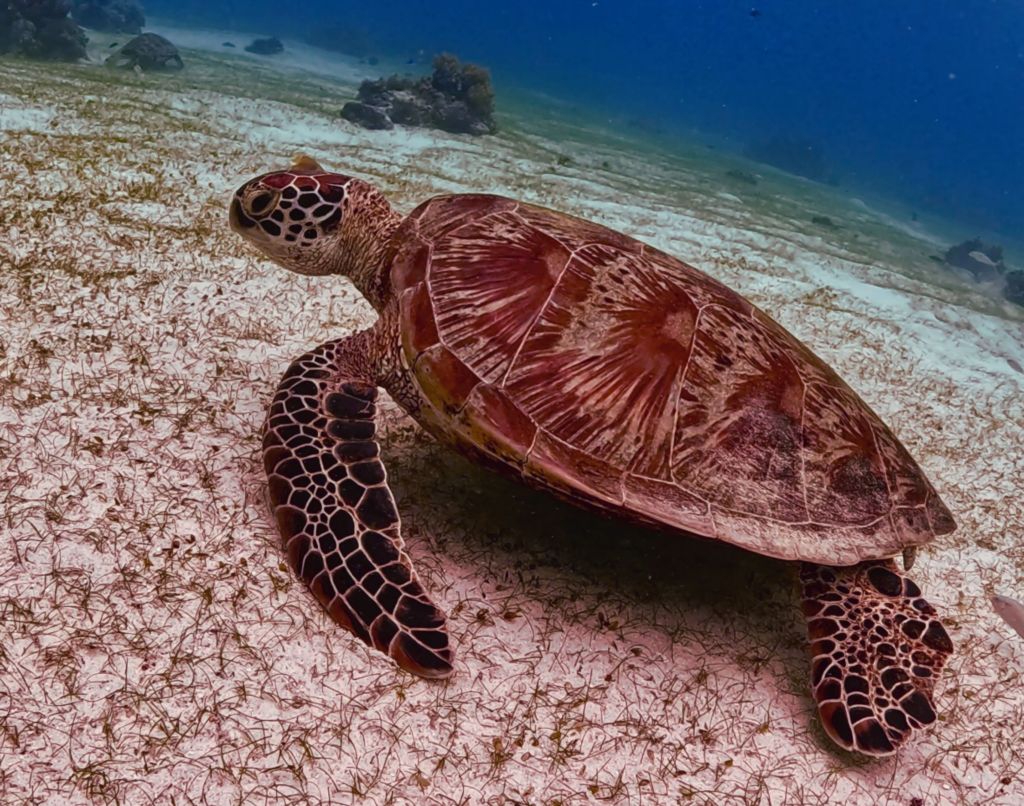
The ocean is a living ecosystem, and as freedivers, we are only guests. Every time I dive in the Philippines, whether it’s Moalboal’s sardine run, Apo Island’s reefs, or the coral gardens in Bohol, I remind myself that part of freediving safety is respecting marine life. Touching corals, turtles, or any marine organism doesn’t just harm delicate ecosystems, it can also harm you. Many species have sharp edges, stings, or bacteria that can cause infections.
The best practice is simple: look, don’t touch. By leaving the underwater world as it is, you’re protecting biodiversity while also keeping yourself safe. Freedivers are often ambassadors for the ocean, and every responsible dive helps preserve these beautiful ecosystems for future generations.
FINAL THOUGHTS
Freediving in the Philippines is more than just a sport. It’s a journey of connection, mindfulness, and respect for the ocean. Whether you’re gliding through Moalboal’s sardine run, diving with turtles in Apo Island, or exploring the reefs of Bohol, safety is the foundation that allows you to fully enjoy these breathtaking underwater experiences. When you dive with awareness and discipline, you gain the freedom to explore the sea without fear holding you back.
At its core, freediving is not about how far down you can go or how long you can hold your breath. It’s about being fully present with every dive, respecting your body, and honoring the ocean that makes it possible. By practicing these safety basics, you’ll not only protect yourself, but also contribute to the preservation of marine life that makes the Philippines one of the world’s most magical freediving destinations. Dive smart, dive safe, and let every breath bring you closer to the ocean you love. 🌊
Looking for beginner-friendly freediving advice and travel inspo? I share it all on Instagram, TikTok, and YouTube @froyows.
© 2026 Froyows Travel & Freediving. All Rights Reserved.
Powered by LB Digital Marketing Services.
 FROYOWS TRAVEL & FREEDIVING
Leave a comment