

The Philippines is often called a paradise of 7,641 islands, but for me, the real magic starts once you dip below the surface. From colorful coral gardens to dramatic reef walls, our waters are alive with so much marine life that it sometimes feels like swimming inside a giant aquarium. I’ve tried freediving in a few other countries, but honestly, nothing beats the raw beauty of our own backyard. Call it bias, call it patriotism, but I’ll take our underwater world any day!
That’s why I want more people, Filipino or not, to try freediving here. It’s not just a sport; it’s a way to connect with the sea, discover hidden treasures beneath the waves, and maybe even brag a little that you’ve dived in one of the most biodiverse spots on Earth. So to get us on the map as a freediving destination worth talking about, I’m sharing my top picks of freediving spots in the Philippines, with options for both beginners still testing their lungs and seasoned divers ready to go deep.
For Beginners: Batangas
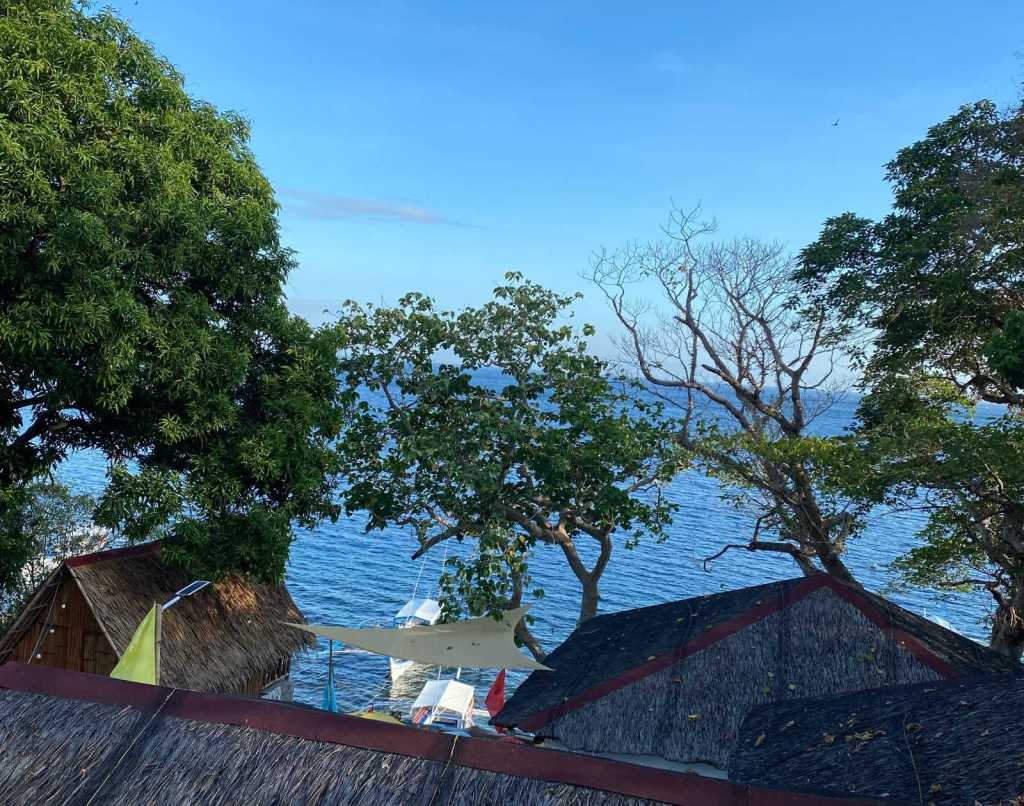
If you’re just starting out, Batangas is hands-down the best place to begin your freediving journey. Just a few hours’ drive from Manila, towns like Mabini and Anilao are packed with freediving and scuba schools that train directly in open water. The reefs here are lively yet accessible, and the currents are manageable, making it perfect for beginners. Plus, its proximity to Metro Manila makes Batangas the go-to weekend getaway for city dwellers itching to dive.
Mabini
Mabini holds a special place in my heart because this is where I took my very first freediving course. Barangay Bagalangit has schools lined up along the shoreline, each offering its own vibe, training style, and community. You’ll quickly find a place that feels like home, and from there, you can build your confidence with regular practice dives.
Anilao
Known as the muck diving capital of the Philippines, Anilao is famous for its macro life; tiny critters like frogfish, nudibranchs, and seahorses that photographers love to chase. For freedivers, Anilao offers a mix of shallow reef dives and deeper walls, so you can progress gradually. You’ll also find plenty of dive resorts and shops here, making it easy to plan a trip.
Note: If you’re preparing for your first course, check out my blog on 5 Essential Freediving Skills Every Beginner Needs to Learn and Master!
How to Get Here
🚌 Bus + Jeepney: Take a JAC Liner bus to Batangas City Grand Terminal (2–3 hours), then transfer to a jeepney or tricycle to Mabini or Anilao (30–45 minutes).
🚗 Car/Carpool: Around 3–4 hours from Manila, depending on traffic. Carpooling with other freedivers is common and convenient.
Personal Ranking:
5. Dauin, Negros Oriental
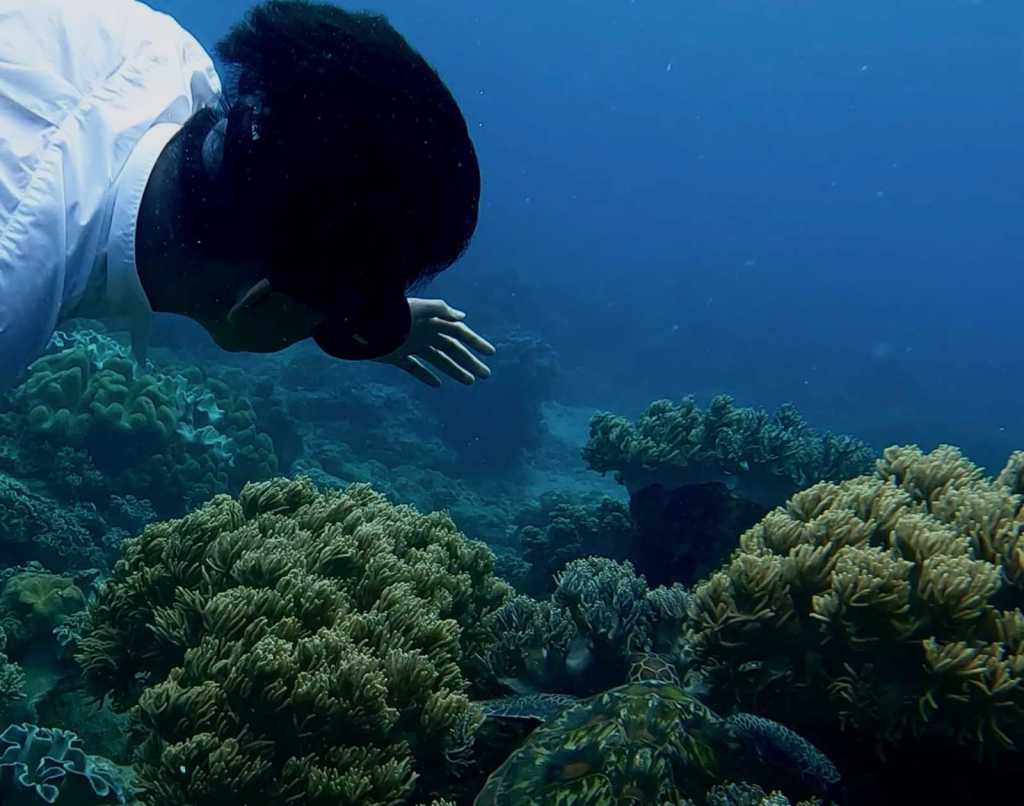
On the southeastern coast of Negros Island lies Dauin, a peaceful coastal town celebrated for its world-class muck diving and macro treasures. Its volcanic black sands are a canvas for rare marine creatures like mimic octopus, flamboyant cuttlefish, pygmy seahorses, and colorful nudibranchs. Alongside these unique sights, Dauin also grants easy shore-entry access to dozens of dive sites, including coral-rich zones and dramatic walls.
I believe Dauin isn’t just for seasoned divers. Its calm conditions and sheltered reefs make it accessible to beginners, too. Many freedivers start here to practice technique and buoyancy in shallow waters, then progress to reef dives or deeper training. Some resorts even offer freediving courses, guiding new divers safely down to 10–16 meters. This makes Dauin a fantastic training ground for freedivers of all levels.
Apo Island
Just a 30–45 minute boat ride from Malatapay Port, Apo Island is a renowned snorkeling and diving sanctuary. Its kaleidoscopic coral gardens, steep drop-offs, and abundant turtles make it one of the most iconic marine sanctuaries in the Philippines.
The first time I went to Apo Island, I was blown away just snorkeling above the reef. When I returned later as a freediver, it was like rediscovering an old friend in a completely new way. Gliding alongside turtles and descending along massive coral formations felt surreal. Just remember, some reefs here are close to the surface, so solid buoyancy control is key to protecting both you and the corals.
How to Get Here
- ✈️ From Manila: Fly to Dumaguete (1 hour 20 minutes), then head to Dauin (20–30 minutes by tricycle or car).
- ⛴ From Cebu: Take a ferry to Dumaguete (4–6 hours), then proceed to Dauin.
- 🚤 To Apo Island: Boat rides from Malatapay Port typically take 30–45 minutes, with most dive resorts offering package day trips to the island. I usually get mine from Collin Travel and Tours, costing Php 2,500 for their all-in package (with transportation and lunch).
4. Cebu
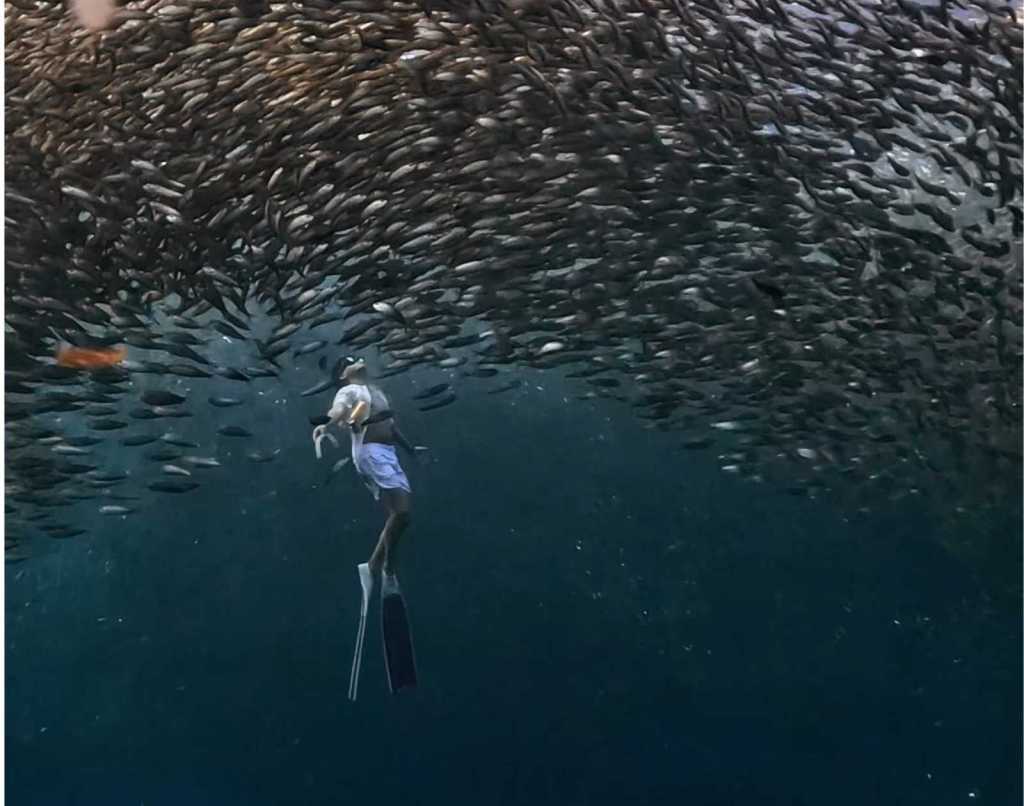
Cebu is one of the most diverse freediving destinations in the country, offering everything from sardine runs to deep blue dives. It’s a hub for travelers, so getting here is easy, and you’ll always find a strong freediving community.
Moalboal
Moalboal is perfect for both beginners and experienced divers. The waters are deep enough that beginners won’t bump into corals, while advanced freedivers can chase the sardines when they drift into deeper parts. Swimming alongside millions of sardines twisting like a silver tornado is an experience you won’t forget. Freediving is popular here, so you’ll find a welcoming community to dive with.
Malapascua
Further north, Malapascua is famous for its thresher sharks. While scuba divers usually visit cleaning stations to see them, freedivers with solid depth experience might catch a glimpse too. Add in vibrant reefs, and the laid-back island vibe, and Malapascua becomes a perfect blend of adventure and chill.
How to Get Here
✈️ From Manila: Fly to Cebu (1 hour 20 minutes).
🚍 To Moalboal: From Cebu City’s South Bus Terminal, take a bus or van to Moalboal (3–4 hours).
🚍 To Malapascua: From Cebu City, head to Maya Port (4–5 hours by bus/van), then a short boat ride (30 minutes) to the island.
3. Siquijor
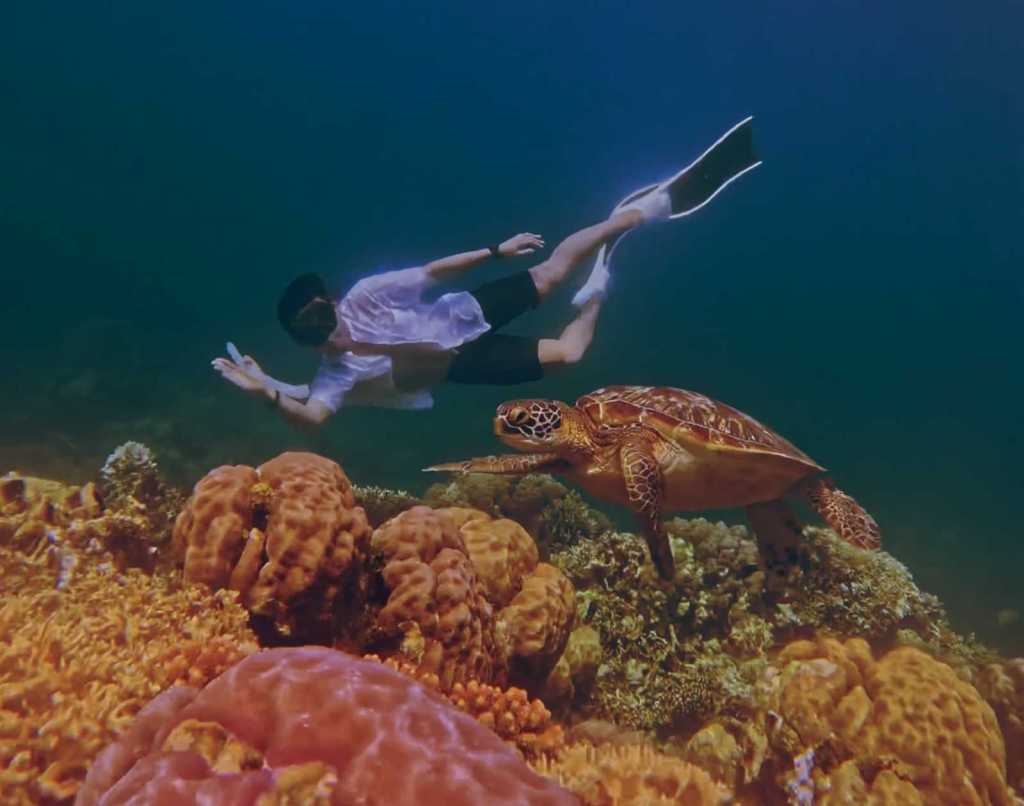
Known as the “Island of Fire,” Siquijor has a growing freediving community, with schools like Siquijor Freediving now training locals and travelers alike. Sites like Tulapos Marine Sanctuary are famous for their barracuda run (seasonal), caves, and coral crevices, best suited for intermediate to advanced divers. In my experience, beginners often find Siquijor tricky: reefs can be shallow in parts, so good buoyancy control is essential. The deeper sites, however, are magical and more rewarding once you’ve built your confidence.
Tubod Marine Sanctuary
Accessible right from the shore, Tubod offers calm, beginner-friendly waters with vibrant coral gardens and reef fish.
Tulapos Marine Sanctuary
This site has both shallow coral areas and deeper sections with schools of fish. Its seagrass beds are turtle territory, while its barracuda run is the real highlight for experienced freedivers.
Sawang Point
A quieter spot with rugged formations, perfect for divers who want depth practice away from the crowds.
How to Get Here
✈️ From Cebu: Ferry to Dumaguete (4–6 hours), then onward to Siquijor.
✈️ From Manila: Fly to Dumaguete (1 hour 20 minutes), then take a ferry to Siquijor (1.5-2 hours via Roro, 30 mins via fast craft).
2. Coron, Palawan

Coron is often called the shipwreck capital of the Philippines, but what makes it extra special for freedivers is its cathedral-like underwater rock formations and atmospheric dive sites. Many of the World War II wrecks lie between 20 and 45 meters, making Coron better suited for advanced freedivers. Schools sometimes even host international events, showing just how iconic this destination has become.
Skeleton Shipwreck
Just a short swim from shore, this wreck is shallow enough for beginners to enjoy, with corals now covering the structure.
Barracuda Lake
Barracuda Lake, also known as Luluyuan Lake, is owned and protected by the Tagbanua Tribe, one of Palawan’s indigenous peoples. This freshwater lake is famous for its surreal thermoclines (layers of hot and cold water) and its jagged limestone walls that feel like you’re diving into another world. Personally, Barracuda Lake is unforgettable for me because this is where I first learned how to equalize, guided by a local from the tribe. It wasn’t just about freediving. It felt like connecting with a piece of culture and tradition beneath the surface.
Coral Garden
A vibrant reef teeming with soft corals and marine life. It’s a good option for divers of all levels to balance the deeper, more advanced dives.
How to Get Here
✈️ From Manila: Fly directly to Busuanga Airport (1 hour 15 minutes), then take a van to Coron town (30–45 minutes).
✈️ From Cebu: Direct flights to Busuanga also take about 1 hour 20 minutes.
1. Bohol

If I had to crown one destination as the Philippines’ freediving capital, it would be Bohol. While Batangas may be the most accessible, Bohol is where freediving culture really thrives. With plenty of schools, it’s a hub for training, tours, and even competitions. Both beginners and advanced divers will find Bohol unforgettable.
Balicasag Island
A marine sanctuary with crystal-clear waters, Balicasag is home to turtles, barracudas, and schools of jacks. Its walls drop dramatically, making it exciting for both casual dives and depth practice.
Napaling Point
Napaling is famous for its crack and sardine run, similar to Moalboal but with fewer crowds. A 25-meter reef wall sits just a few fin kicks away from shore, perfect for training and surreal to dive alongside shimmering sardines.
How to Get Here
✈️ From Manila: Fly to Panglao International Airport (1.5 hours).
✈️ From Cebu: Take a fast ferry to Tagbilaran (2 hours).
Runner-Up: El Nido, Palawan
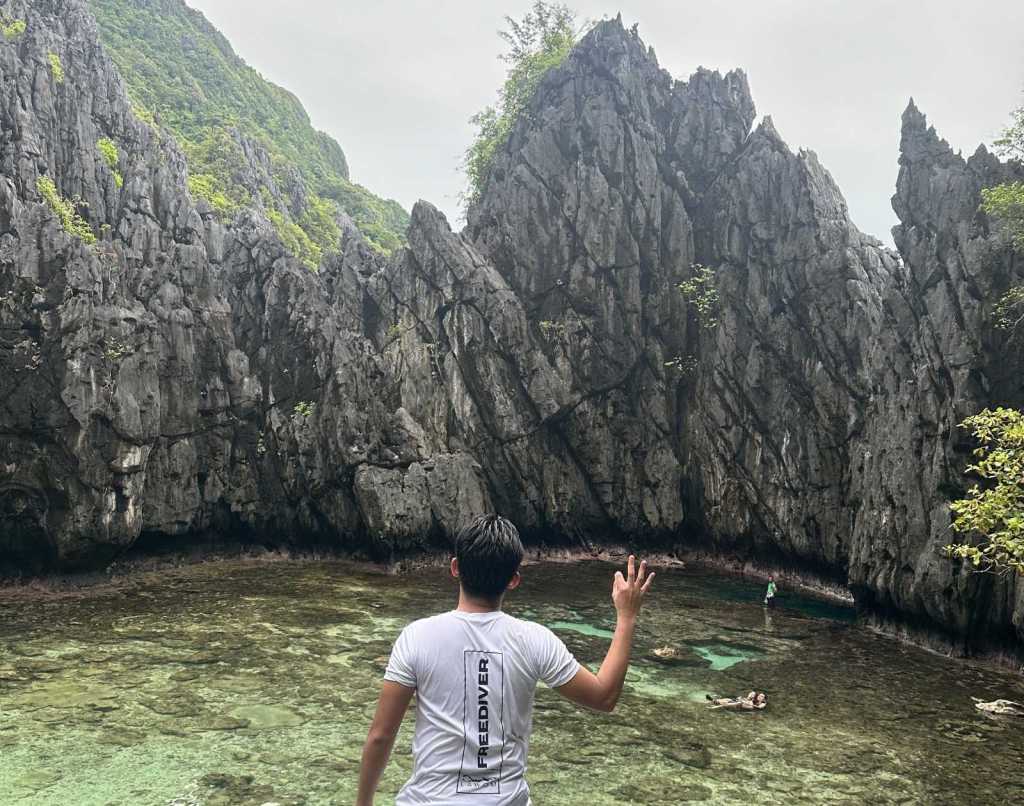
El Nido may be known for its limestone cliffs and lagoons, but its underwater world deserves recognition too. Freediving is still emerging here; there aren’t as many schools as in Bohol or Batangas, but the reefs are alive and magical. I recommend it for both beginners and experienced freedivers who want to combine diving with island-hopping adventures.
How to Get Here
✈️ From Manila: Fly directly to El Nido (1.5 hours) or to Puerto Princesa (1 hour), then take a van to El Nido (5–6 hours).
✈️ From Cebu: Direct flights to El Nido also take about 1.5 hours.
Quick Travel Times Comparison
| Destination | From Manila | Local Transfers |
|---|---|---|
| Batangas (Anilao/Mabini) | 3–4 hrs by car/bus | Jeepney/tricycle 30–45 mins |
| Dauin (Negros Oriental) | 1h20 flight to Dumaguete | Tricycle/car 20–30 mins |
| Apo Island | 1h20 flight to Dumaguete | 30–45 min boat |
| Cebu (Moalboal) | 1h20 flight to Cebu | 3–4 hr bus/van |
| Cebu (Malapascua) | 1h20 flight to Cebu | 4–5 hr bus + 30 min boat |
| Siquijor | 1h20 flight to Dumaguete | 1–1.5 hr ferry |
| Coron, Palawan | 1h15 flight to Busuanga | 30–45 min van |
| Bohol | 1h30 flight to Panglao | or 2 hr ferry from Cebu |
| El Nido, Palawan | 1h30 flight | or 1h flight to Puerto Princesa + 5–6 hr van |
Final Thoughts
The Philippines is truly a freediver’s dream. With its vast number of islands, rich biodiversity, and passionate local communities, there’s no shortage of places to explore. Whether you’re learning to equalize in Batangas, swimming through sardine clouds in Moalboal, or hovering above shipwrecks in Coron, every dive feels like a new adventure waiting to unfold.
For me, freediving here is more than just ticking spots off a list; it’s about pride, connection, and storytelling. Every time I dive, I’m reminded that the Philippines has some of the best underwater experiences in the world. So if you’ve been waiting for a sign to try freediving here, this is it! Pack your mask, fins, and curiosity, and discover why the Philippines deserves a top spot on the global freediving map.
Want bite-sized travel and freediving tips? Follow me on Instagram and TikTok, or subscribe to my YouTube Shorts (@froyows).
© 2026 Froyows Travel & Freediving. All Rights Reserved.
Powered by LB Digital Marketing Services.
 FROYOWS TRAVEL & FREEDIVING
Leave a comment