

If you’ve read my guides on what to prepare before your intro course, the essential skills to master, life-changing benefits, and how to start when you feel completely new, you already know my mission. I want you to enjoy the ocean, build confidence in the water, and create a positive relationship with the sea we all love.
Today, let’s talk about safety, for you and for the ocean. A great freedive is not only about depth or bottom time. It’s about respect, awareness, and building good habits.
Here are the five most common mistakes I see from beginners, plus simple fixes you can start using on your next session.
5) Zoning out during the dry or theory lesson, and pool session
The Dry Lesson
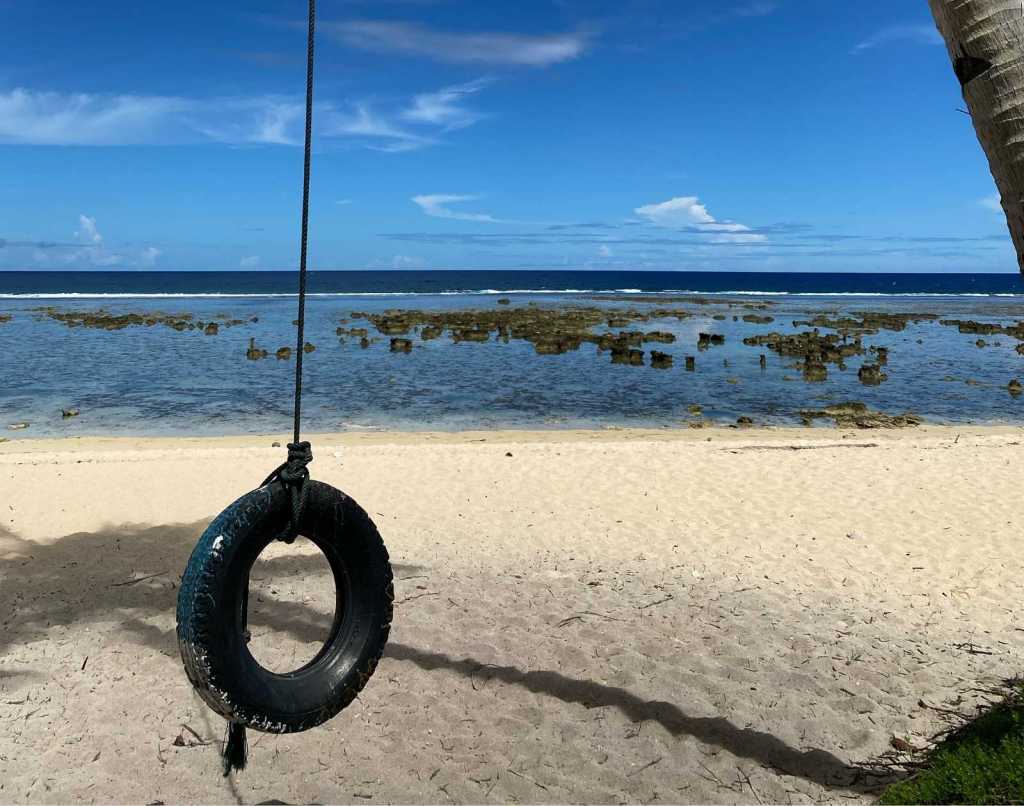
Your dry session is where safety and technique come together. This is when your coach explains recovery breathing, equalization, surface intervals, and buddy rules. If you miss some details here, stress will follow you into the water later.
You’ll also do exercises like uddiyana bandha and stretching to prepare your body. Is it okay to skip the dry lesson? Absolutely not. I made that mistake once. Luckily, I already knew how to equalize before my intro course, but I don’t want you to rely on luck.
The Pool Session (if your school has one)
The pool session is just as important. While the dry lesson covers theory, the pool session is your first chance to apply it in the water. You’ll practice wearing a low-volume mask, using fins, holding your breath in static positions, and doing a proper duck dive. Not every school has a pool, but some will use shallow sea areas instead.
Best Practices:
- Take notes, ask questions, and practice recovery breathing and equalization on land.
- Participate actively and follow instructions.
- If something isn’t clear, ask. Confucius once said, “A man who asks a question is a fool for a minute, a man who does not ask is a fool for life.”
- Save a simple learning checklist on your phone: equalization, breathing, duck dive sequence, target depth, surface interval, and buddy system.
4) Trying to dive without a coach while you’re still learning
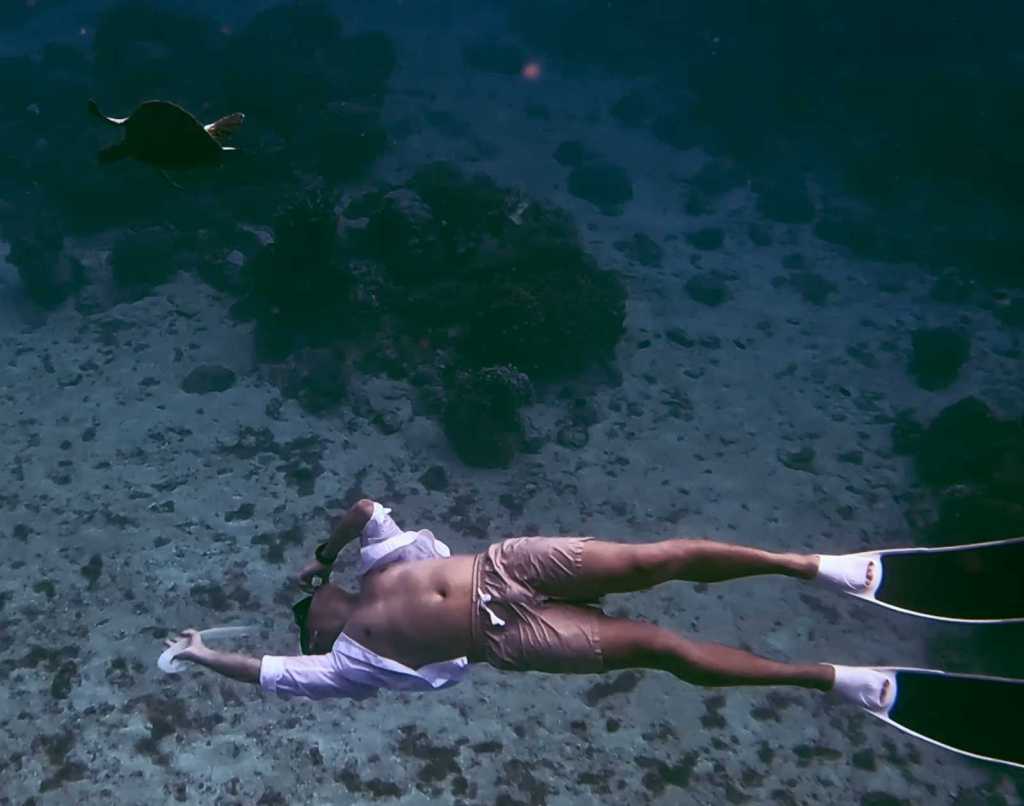
It’s natural to be curious about what you can do, but your turn will come. Most schools have a 1:5 coach-to-student ratio, and your instructor already has a lot on their plate. They might have a safety buddy, but they can’t watch everyone at once.
If you try to sneak in a dive without guidance, you risk pushing too fast or developing unsafe habits that can cause injuries like squeezes. The ocean is beautiful, but without awareness, it can be dangerous. By rushing, you endanger not only yourself but also your coach and other students.
Best Practices:
- Stay near the buoy and relax until it’s your turn.
- Follow your coach’s instructions closely.
- Save your energy for when you’re under direct supervision.
3) Touching or standing on corals
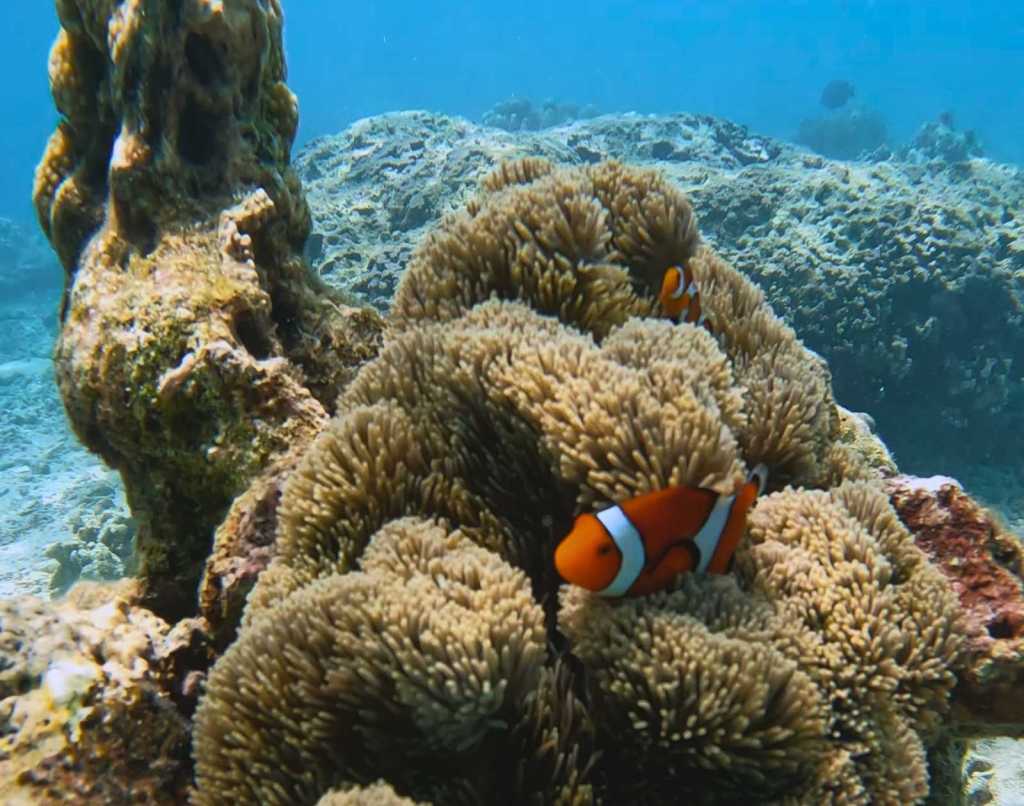
When I dove in Tubod Marine Sanctuary in Siquijor, I saw tourists standing on corals despite the orientation. Patrols warned them, but the damage was already done.
Corals are living animals that take thousands of years to form. One careless fin kick can destroy years of growth. Since many Philippine reefs are in shallow waters, rushed duck dives or poor trim can easily cause accidental contact.
Best Practices:
- Enter and exit over sand whenever possible.
- Keep your body flat and fins behind you with slow, gentle movements.
- Practice buoyancy so you can hover instead of sinking or floating uncontrollably.
2) Touching sea turtles and other marine life

I’ll admit it, as a newbie, I once chased a turtle just to get closer. But I know better now. Chasing or touching stresses animals, ruins the experience for others, and can even injure you.
When you chase a turtle, the fast change in depth and pressure may cause equalization problems. I know divers who perforated their eardrums this way and couldn’t dive for months. Thankfully, they recovered, but they learned the hard way.
Best Practices:
- Look, don’t touch.
- Move slowly, stay calm, and let animals decide how close to come.
- Never block, corner, or chase marine life for photos.
- Respect local marine park rules, especially in hotspots like Apo Island and Tubod Sanctuary.
1) Diving Alone!
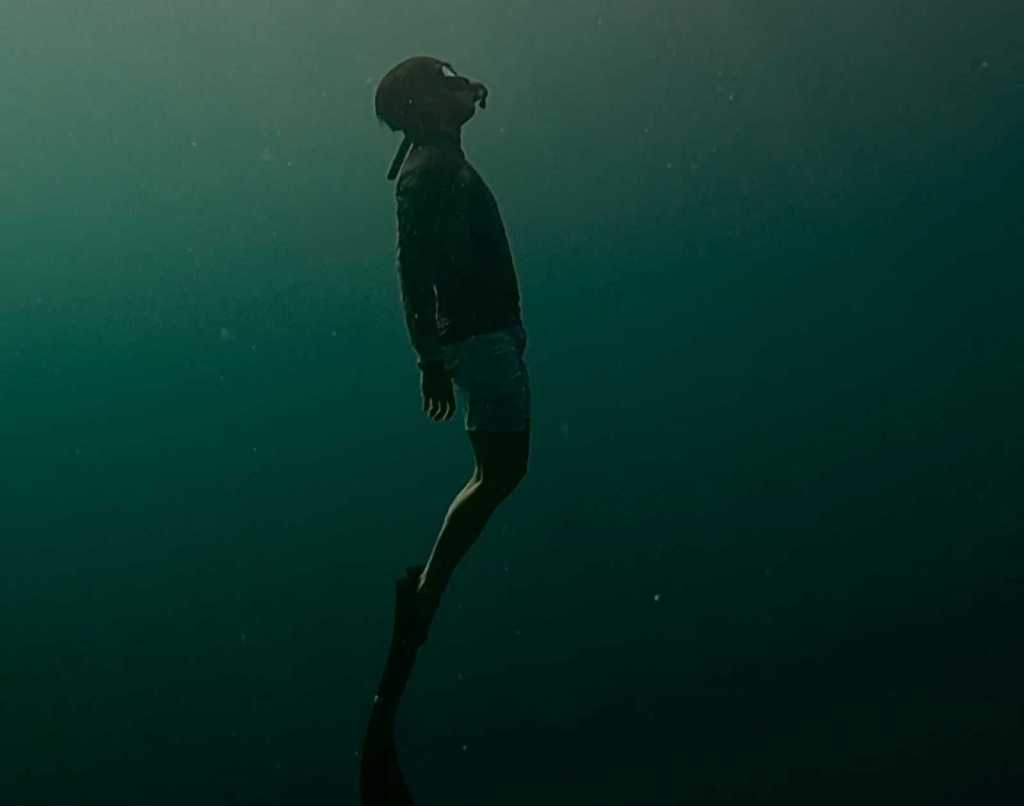
This is the golden rule of freediving: NEVER DIVE ALONE! Even calm sites can surprise you with sudden currents. Blackouts or cramps require an immediate buddy response.
I’ve lost relatives who lived by the sea and dived for food but went out alone. Freediving is an extreme sport, and ignoring the buddy system can cost lives. Always dive with a partner, even after your intro course or during fun dives.
Best Practices:
- Follow the buddy system: one up, one down.
- Learn and use underwater signals.
- Agree on depth limits and a rescue plan before entering the water.
- If you’re new to a site, book a guided or coached session first.
Can I freedive without a coach once I finish an intro course?
Yes, but only with a competent buddy. However, I personally believe that coaching is still valuable as you progress or explore new sites, since coaches spot bad habits and help set safe targets. I usually dive with Molchanov-certified coaches for peace of mind.
Bonus: Skipping sunscreen or using the wrong sun protection
The tropical sun in the Philippines is intense. Long boat rides, surface intervals, and shore entries expose your skin to UV rays, which cause burns, fatigue, and dehydration. Some sunscreens also damage coral reefs.
Best Practices:
- Use reef-safe sunscreen (SPF 30–50, mineral-based with zinc oxide or titanium dioxide). Avoid oxybenzone and octinoxate.
- Reapply after swimming or towel drying.
- Cover sensitive spots: ears, neck, feet, knees, and lips.
- Wear a UPF 50 rash guard or thin wetsuit for better protection.
- Avoid spraying sunscreen near the waterline.
Quick Pre-Dive Checklist (for the Philippines)
- Buddy ready: Decide signals and who dives first.
- Site briefing: Entry, exit, currents, boat traffic, and marine park rules.
- Safe limits: Agree on max depth and time.
- Ears and breathing: Practice equalization and calm recovery breathing.
- Sun protection: Apply reef-safe sunscreen or wear a rash guard.
Final Thoughts
Freediving is not just about holding your breath and going deeper. It’s about building safe habits that allow you to enjoy the water for years to come. Mistakes like zoning out in lessons, rushing without guidance, or diving alone may seem small in the moment, but they can have lasting consequences. By learning early and respecting both your coach and the ocean, you give yourself the chance to grow steadily and safely.
The ocean rewards those who dive with awareness and humility. If you care for your body, listen to your mentors, and respect marine life, you’ll discover that freediving is more than a sport; it’s a way of connecting deeply with the sea. Dive safe, dive slow, and let the ocean show you its beauty on its own terms.
Dive deeper into freediving and travel! Join me on Instagram, TikTok, and YouTube @froyows.
© 2026 Froyows Travel & Freediving. All Rights Reserved.
Powered by LB Digital Marketing Services.
 FROYOWS TRAVEL & FREEDIVING
Leave a comment