

Before I discovered freediving, I had absolutely no idea what it was about. I just knew it looked majestic, powerful, and raw based on the videos I watched on TikTok and YouTube. Like many beginners, I was fascinated but clueless.
Especially for non-swimmers, it can feel intimidating. But here’s some good news: you don’t need to be a strong swimmer to try freediving. I just happened to grow up in a coastal area, but I’ve met so many people who learned how to freedive without ever having formal swim training.
What is Freediving?
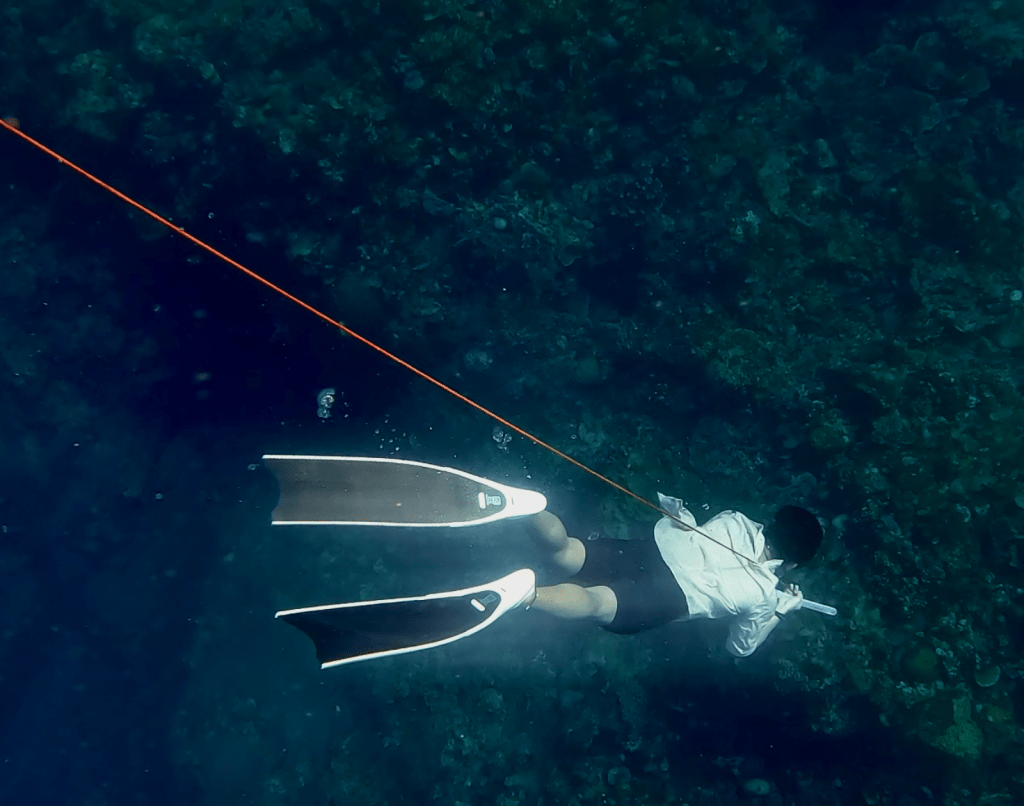
Freediving is a form of underwater diving that doesn’t use tanks or artificial breathing devices. Instead, you hold your breath and dive using the power of your lungs, along with proper relaxation and oxygen conservation techniques.
You don’t need a lot of equipment to start. The basics include a low-volume mask and fins. With just these essentials and proper training, you can explore the underwater world with grace and confidence.
But the million-dollar question is: how do you get started? I’ve laid out some simple steps to help you begin your freediving journey. So let’s dive in!
Step 1: Choose the Right Freediving School
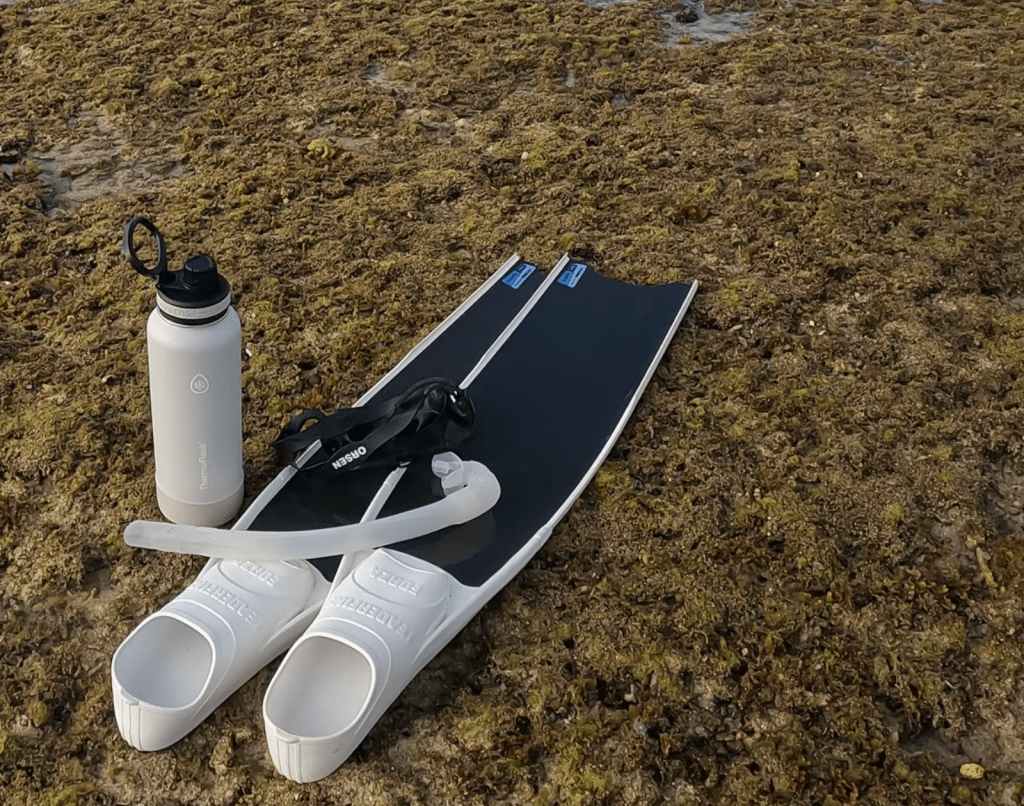
For my intro to freediving course, I chose a school in Mabini, Batangas, and I’ve been diving with them ever since. They offer everything I need in one convenient location, which made my first freediving experience smooth and stress-free.
When choosing a freediving school in the Philippines, convenience should be one of your top considerations.
Here are some questions to ask:
- How do I get there? Is there a carpool option?
- Do they provide gear rentals on-site?
- Is accommodation included or nearby?
- Are there food options available, like a canteen or restaurants?
- Does their package fit your budget?
My preferred setup looks like this:
- Carpooling available
- In-house gear rentals
- Comfortable, clean accommodation
- A canteen or easy access to food and snacks
- An all-inclusive rate that covers everything
Balai Lawom ticks all these boxes for me. Booking with them is easy, the gear is ready, and the coaches are supportive and friendly, which is exactly what beginners need.
Step 2: Prepare Your Budget for Freediving

Although it’s called freediving, it does come with some costs (not really free, LOL). Here’s a usual breakdown of actual expenses during an intro course done on a weekend:
- Intro to Freediving Course: PHP 3,750 to 4,000 (double check if there are updated rates)
- Carpool from Manila to Batangas (round trip): PHP 1,200
- Extra food and drinks (optional): PHP 1,000
Estimated Total: PHP 6,200
This budget already covers your gear, accommodation, food (lunch on check-in, dinner, breakfast, and lunch on check-out), and training. It’s a great value considering everything you’ll get from the experience.
Step 3: Choose the Right Swimwear
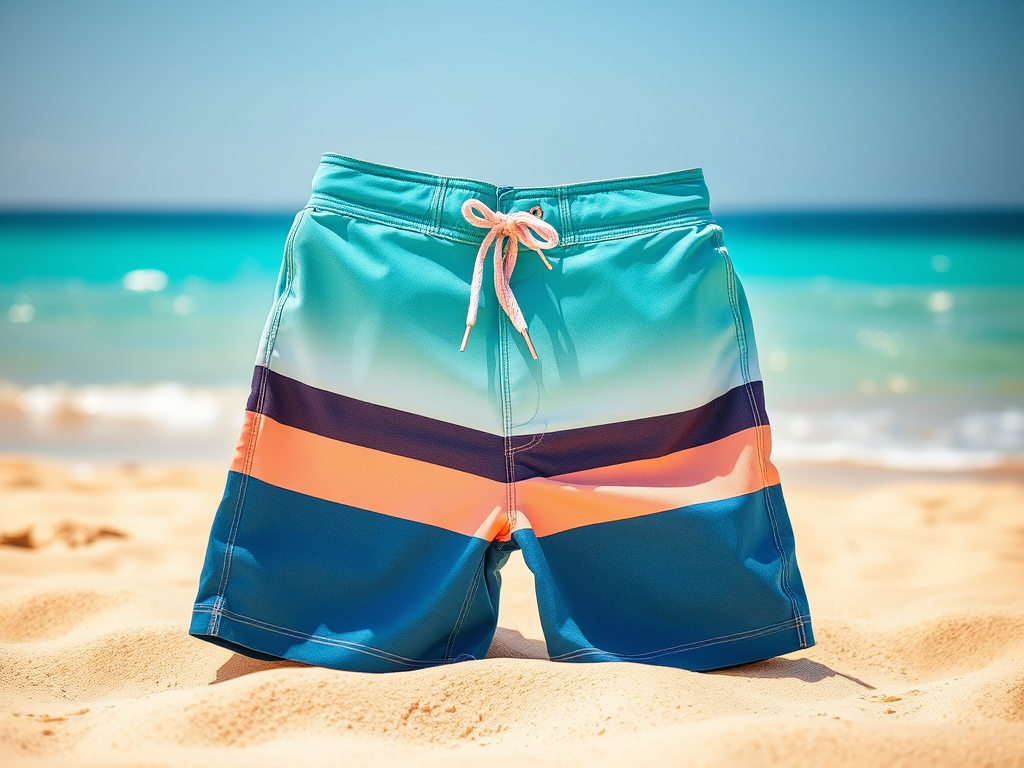
Believe it or not, your swimwear can make or break your first freediving session. Comfort matters, but buoyancy matters even more.
One of my classmates wore a thick dive suit, and our coach asked her to take it off because it was too buoyant. You’ll be surprised, it’s actually more difficult to sink than to float, especially for beginners.
Tips for swimwear:
- Avoid thick wetsuits unless diving in cold water
- Go for swimwear made from nylon or polyester, which are lightweight and hydrodynamic
- Use a rash guard to protect your skin from itchiness caused by plankton
The right gear helps you move freely, stay comfortable, and enjoy your first dive without distractions.
Step 4: Prepare Your Mindset

Freediving is as much a mental journey as it is a physical one. In one of my earlier blogs, I talked about the 3 C’s of Freediving: Courage, Calmness, and Composure. These three will shape how you connect with the water.
One coach told us that the feeling you want to aim for is the same feeling you get right before falling asleep. That moment of deep peace, where your body is relaxed and your mind is quiet, is the ideal mental state for freediving.
Train your mind to:
- Let go of fear
- Focus on slow, mindful breathing
- Stay calm and present
These mental tools will help you enjoy the underwater experience more deeply and with less anxiety.
Step 5: Sleep Well and Stay Hydrated
A great dive begins the night before. Your rest and hydration levels directly affect your performance.
I’ve had dives that felt terrible, and they all had one thing in common: I stayed up too late, partied, or drank alcohol the night before. Bad idea.
Pre-dive checklist:
- Get at least 7 to 8 hours of sleep
- Avoid alcohol
- Drink plenty of water
- Do light stretching or breathing exercises before bed
- Bring your own water bottle
Take care of your body, and it will take care of you underwater.
And that’s it! You’re now ready for your intro to freediving course!
Final Thought
Trying freediving is one of the most rewarding things you can do if you’re looking for a new way to challenge yourself, connect with nature, and grow your confidence. It doesn’t matter if you’ve never dived before or if you’re not a strong swimmer.
With the right freediving school, a realistic budget, supportive coaches, and the right mindset, you’ll find yourself falling in love with the underwater world in no time.
So if you’re still on the fence about whether or not to try it, this is your sign. Take that breath, book that course, and discover the peace that comes when you let go and trust the ocean!
🌊 Love the ocean as much as I do? Catch my freediving tips and travel snippets on Instagram, TikTok, and YouTube @froyows.
© 2026 Froyows Travel & Freediving. All Rights Reserved.
Powered by LB Digital Marketing Services.
 FROYOWS TRAVEL & FREEDIVING
Leave a comment