

Ever felt overwhelmed on your first day at school because you didn’t know what to expect? That’s exactly how I felt during my first freediving class. To make it even more memorable, here’s a funny story. My friend and I arrived four hours late. We had no idea the class would start early at 8 AM, and we showed up at noon. We completely missed the dry lesson and the pool session. Definitely not our proudest moment. So here’s your first lesson: show up early. You don’t want to miss the foundation of your training.
Thankfully, our coach was kind enough to squeeze in a private dry session over lunch. (Sorry for cutting your break short, Coach!) That session became one of the most important moments of my freediving journey. We covered the core skills every beginner should know before entering the open water, and now I’d love to pass those on to you in simple and bite-sized pieces.
1. Equalization: Ears First, Always

The first time I heard about equalization was in Coron. My friends had done scuba dives in Boracay, and I had no clue what they were talking about. I even thought I needed to buy something to “equalize.”
What is equalization, really?
Equalization is a technique to relieve pressure in your ears as you go deeper underwater. You’ve probably felt that weird pressure when diving in a pool or during an airplane takeoff. That’s your body adjusting to the change in pressure, and in freediving, if you don’t equalize, you risk pain or injury to your eardrums.
How do I equalize?
There are two main techniques: the Valsalva maneuver and the Frenzel technique. As a beginner, I highly recommend starting with Valsalva. It’s simple. Pinch your nose, gently blow, and you’ll feel that pressure shift in your ears. It might feel weird at first, but once you hear that little pop, you’re doing it right.
I practiced Valsalva everywhere! During work breaks, before bed, and even while sitting on the toilet. Make it a habit. The more you train your eustachian tubes, the easier it becomes. Once you can equalize smoothly, you’re already one step ahead of most beginners.
How often do I need to equalize?
Always equalize before duck diving, a few seconds into your descent, and then regularly as you go deeper. If you can’t equalize, stop. Abort the dive. Your ears are more important than hitting depth.
2. Relaxation: Unleash Your Inner Sea Turtle
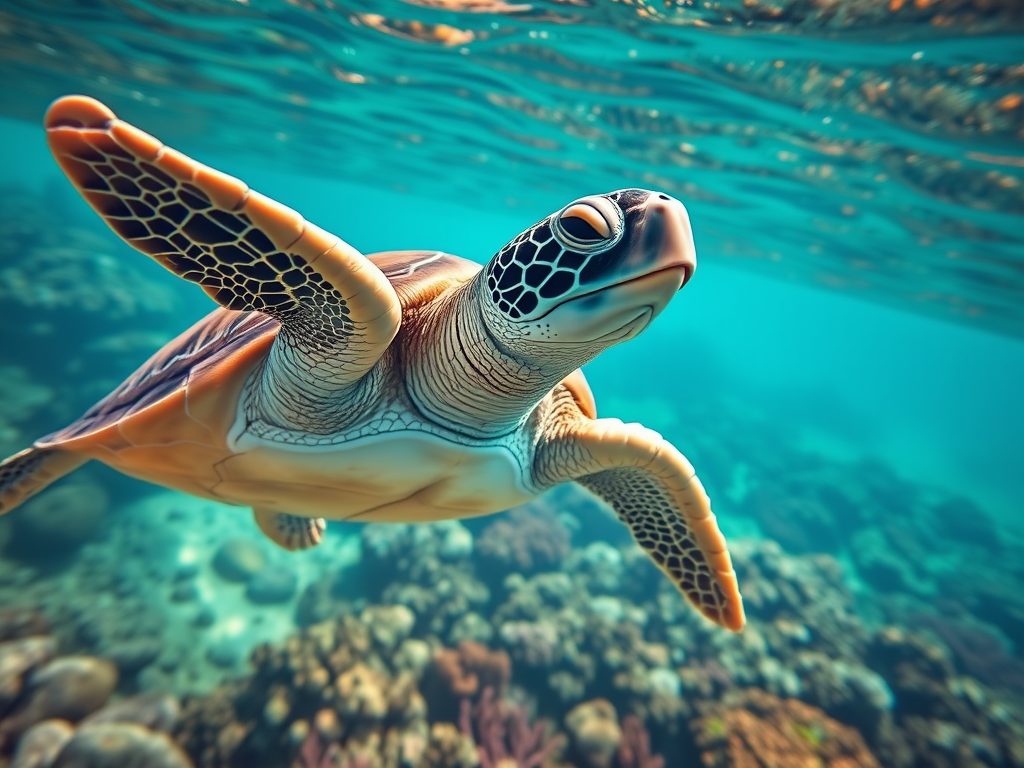
Relaxation is the secret sauce in freediving. I wrote about the 3 Cs: Courage, Calmness, and Composure, in another blog. But here’s the gist! Relaxation means letting go of tension, stabilizing your heart rate, and staying fully present.
If you want inspiration, look at sea turtles. They glide through the water effortlessly, their movements slow and graceful. That’s what we’re aiming for! In freediving, the more relaxed you are, the less oxygen you use. And less oxygen use means longer, safer, and more enjoyable dives.
Relax your muscles. Calm your thoughts. Trust your body. That’s the foundation of every good dive.
3. Breath Holding: Knowing Your Limits
Breath-holding is simply holding your breath. It is an important freediving skill so you can stay longer underwater. You can practice your breath hold while staying still, either on land or in water, also known as static breath hold or static apnea. It sounds simple, but it teaches you a lot about how your body and mind respond to stress.
Before my open water session, I practiced static breath-holds with a buddy watching. It helped me discover my personal limits and gain confidence. I recommend doing the same. Never train alone! Always have someone you trust beside you.
Knowing your breathhold time will give you a huge mental edge when you’re actually in the water. You’ll be less panicked, more focused, and more in tune with your body.
4. Duck Diving: Your Entry to the Underwater World
Ever seen a duck dive headfirst into the water? That’s exactly where the term comes from. Duck diving is how you enter the water from the surface, and trust me, sinking in saltwater isn’t as easy as it looks.
Here’s how to duck dive in simple steps:
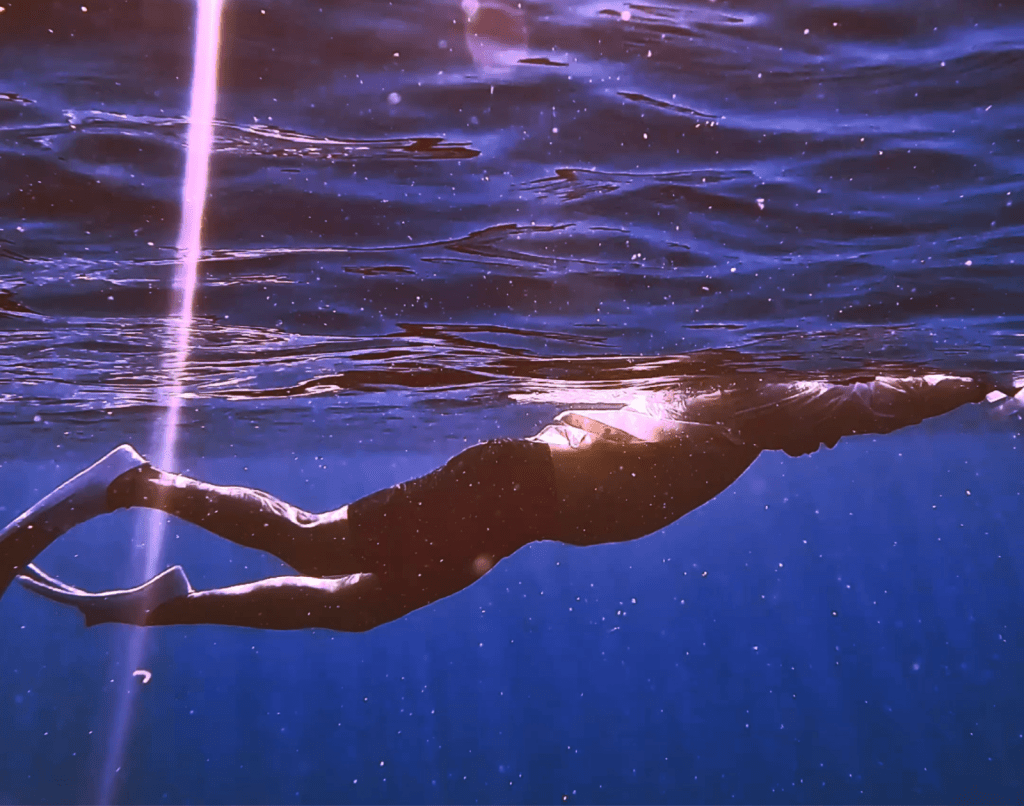
- Point your arms straight together, like forming a duck’s beak.
- Push them down to pierce the surface.
- Fold at the hips and kick your legs up behind you.
- Let your body tilt downward, pull your arms hard to submerge, and glide into the water.
- Start finning gently once you’re fully underwater.
Practice makes progress. Try it in a pool or shallow water before your open water dive. It’s awkward at first but gets better with repetition.
5. Proper Finning: Let Your Glutes Do the Work

Fins are like your boat’s propeller. They allow you to move efficiently underwater without wasting energy, but only if you use them properly.
How do you execute proper finning?
Proper finning starts from the hips, not the knees. Use your glutes, the strongest muscle group in your body. Think of it like a squat. You want to feel that squeeze in your butt, not strain in your knees or feet.
Avoid flailing or using your hands too much. Let your fins do the work. Smooth, steady kicks will help you conserve energy and stay longer underwater.
If you want to prepare early, I recommend training your glutes at home. Try Bulgarian split squats, glute bridges, or lunges. Stronger muscles mean less cramping and better control in the water!
Final Thoughts
Freediving is more than just holding your breath. It’s about listening to your body, trusting the water, and showing up with the right mindset. You don’t need to be the strongest swimmer or the most experienced diver to begin. What matters most is your willingness to learn, stay present, and respect the ocean. These five skills may seem simple, but they lay the foundation for every dive that follows. Keep practicing, stay curious, and enjoy the beauty of being beneath the surface. The sea has so much to teach you, if you’re just willing to listen.
For daily ocean inspiration and freediving insights, join me on Instagram, TikTok, and YouTube @froyows.
© 2026 Froyows Travel & Freediving. All Rights Reserved.
Powered by LB Digital Marketing Services.
 FROYOWS TRAVEL & FREEDIVING
Leave a comment